Sri Lankan Agriculture Steps into a Digital and New Technological Era – ISAE 2026 International Conference Successfully Held
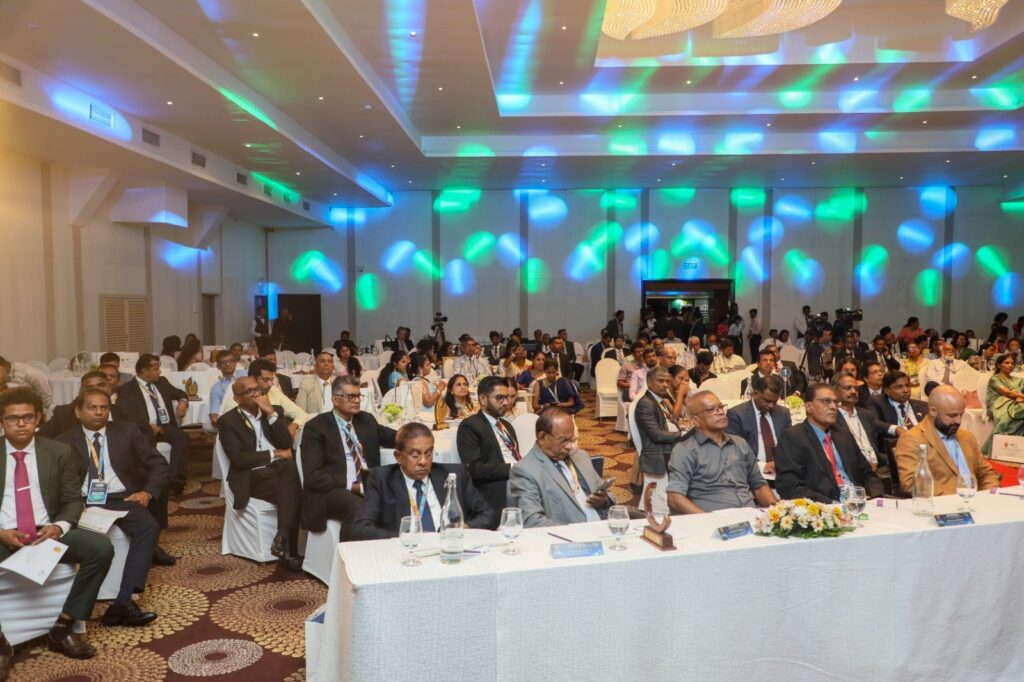
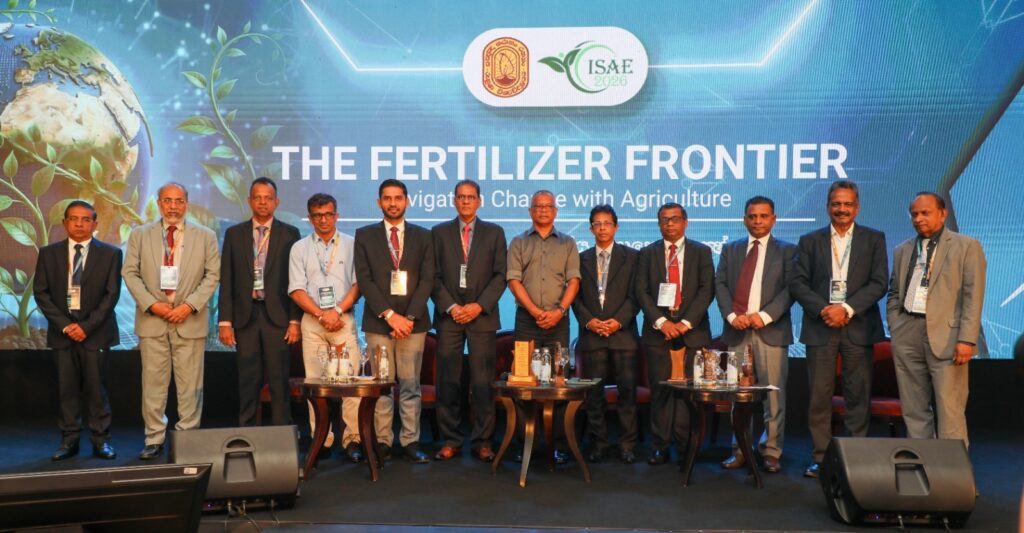
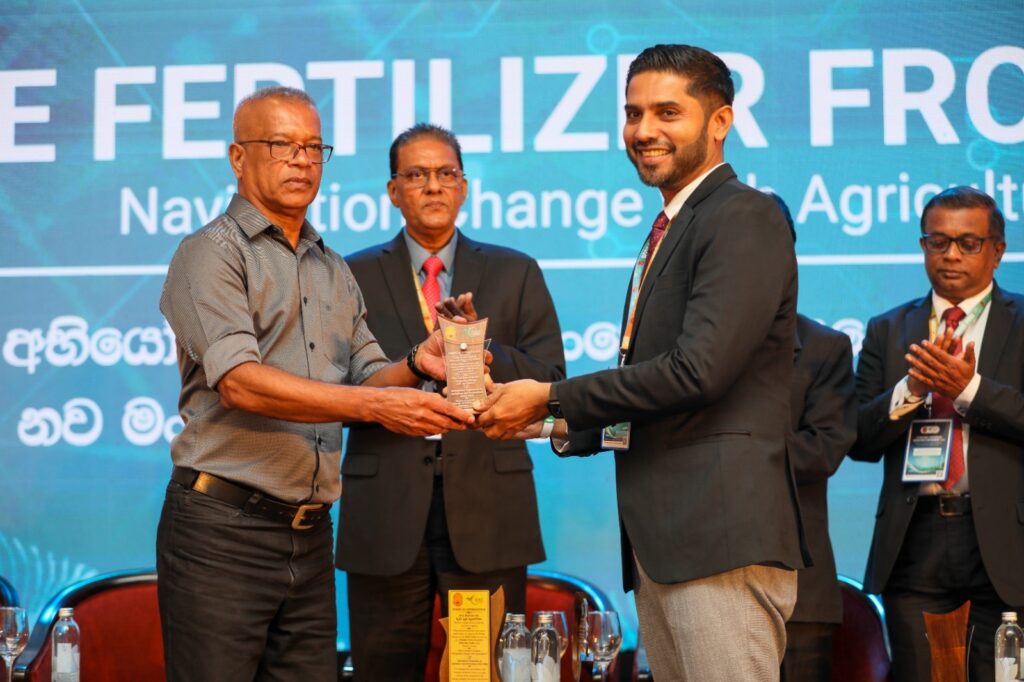
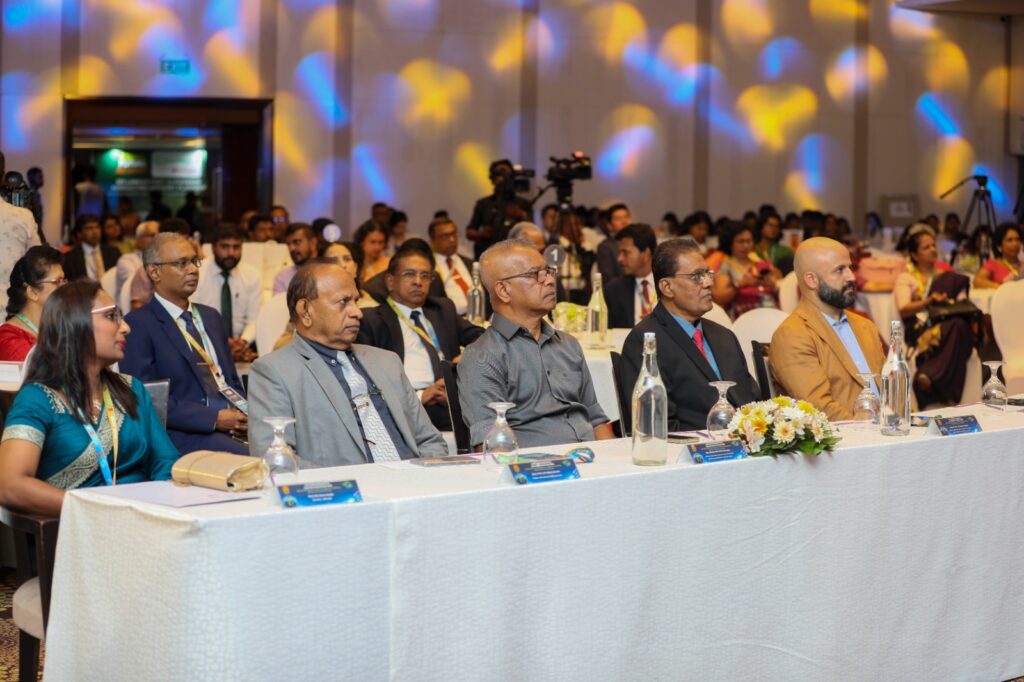
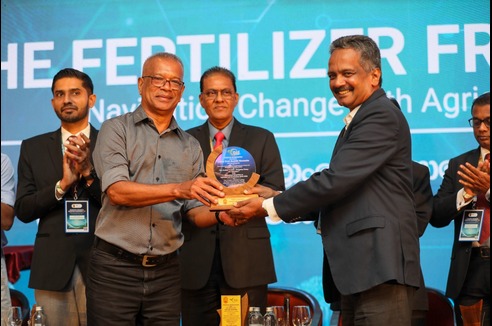
The “International Symposium on Agriculture and Environment” (ISAE 2026), organized by the Faculty of Agriculture of the University of Ruhuna, was officially held on the 2nd at the Cinnamon Grand Hotel, Colombo. This symposium is considered a decisive start toward transforming Sri Lanka’s agricultural sector into an era based on substantial digitalization and modern technology.
The main objective of this conference was to create a scholarly and social dialogue for advancing Sri Lankan agriculture by integrating modern technology into it. Bringing together the state sector, science and technology field, universities, research institutions and private technical sectors, this gathering marks a highly significant symbolic step for the future of agriculture in Sri Lanka.
During this session, an in-depth, high-level discussion was held on current agricultural challenges, the role of modern technology and the strategic directions that should be followed in the future.
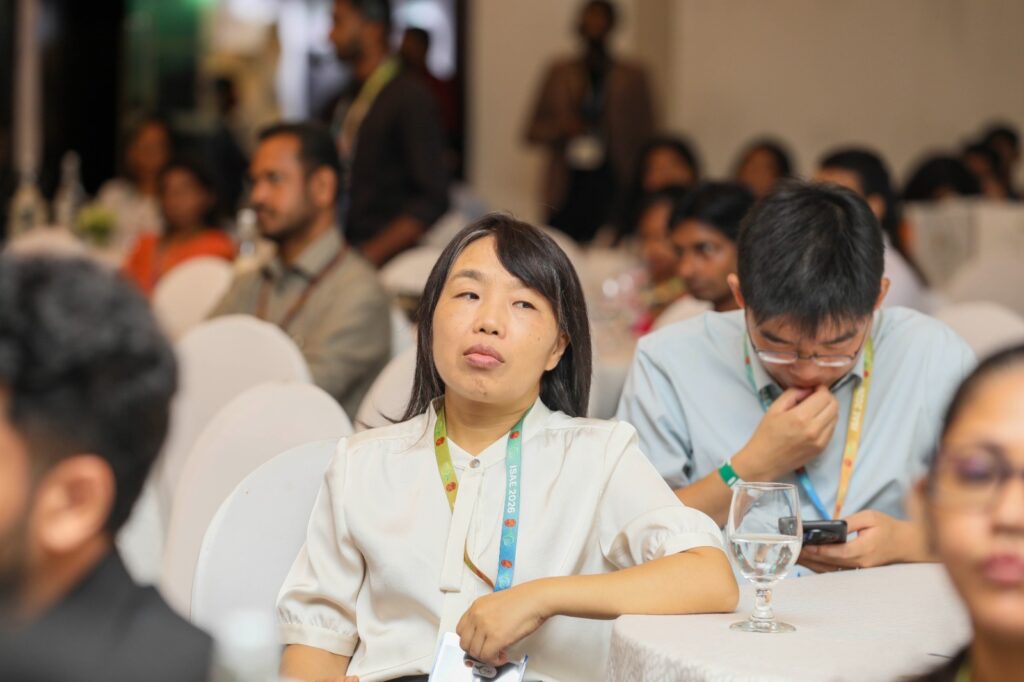
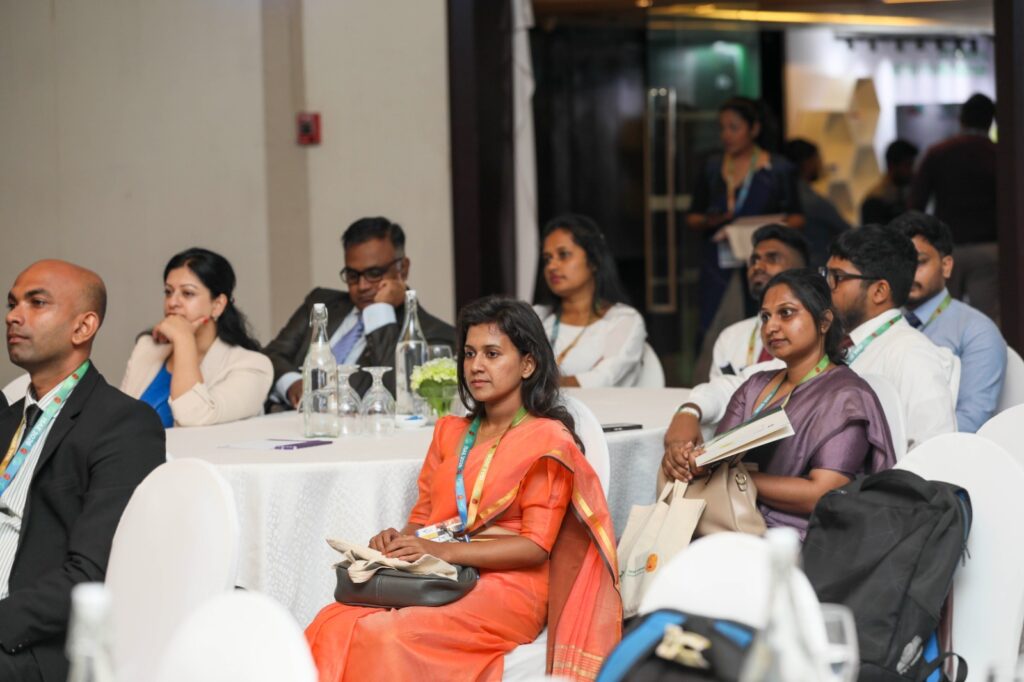
A large number of people participated in this special occasion, including Minister of Science and Technology Professor Krishantha Abeysena, along with leading professors, researchers, and intellectuals connected to the agricultural field from across the island.
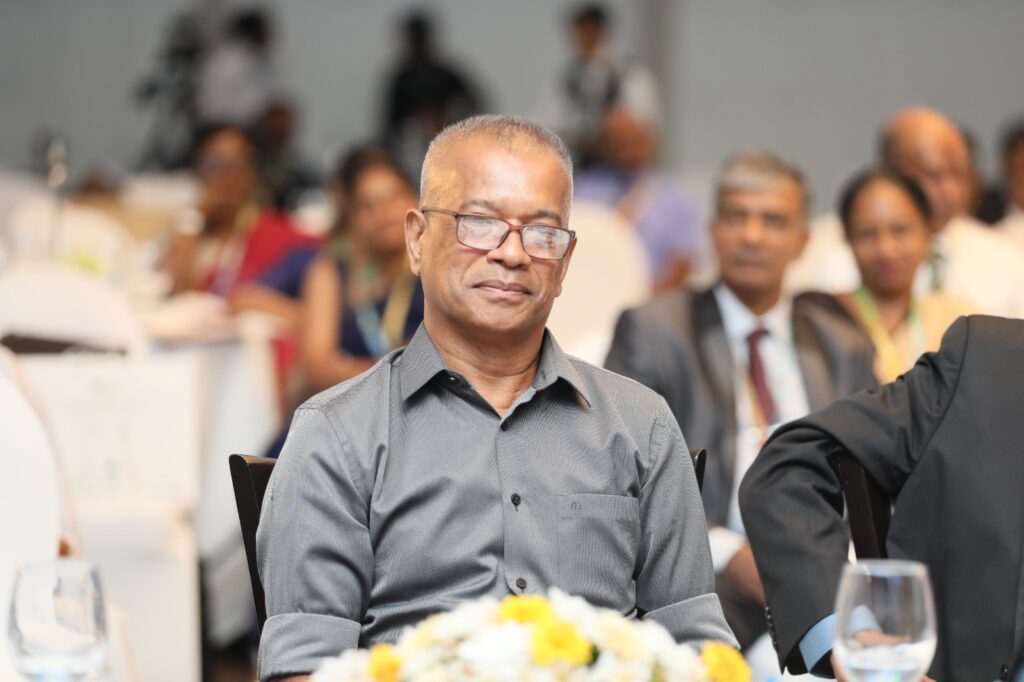
Minister of Agriculture, Livestock, Land and Irrigation K.D. Lal Kantha, who attended this occasion, addressed the academic gathering and pointed out the need for a practical transformation in the agricultural sector:
“We must move toward a scientific methodology that provides plants with the correct amount of nutrition at exactly the right moment by using water management and improved seeds. This should not be limited merely to broad dialogue bringing together the government, private sector and the university system, but must become practically implementable projects.
The interest that exists within the Department of Agriculture toward fourth-generation fertilizer technologies should be further developed. Let all the experts come together and give us the best methodology most suitable for the country. We, as a government, are ready to provide the necessary legal and policy support to implement it. It is natural to have contrasting viewpoints and debate regarding fertilizer, because the best solutions emerge from such dialogues. I take this opportunity to express my heartfelt gratitude to the private sector for the support they demonstrated during the recent fertilizer crisis by providing 65% of their fertilizer stock to the government.”