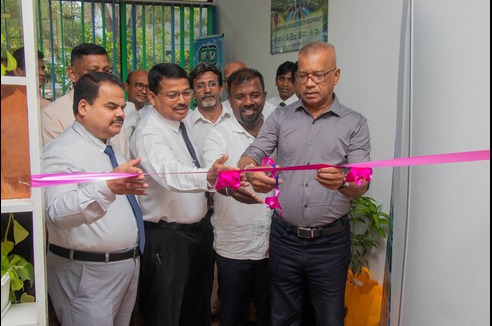
New approach to additional crop cultivation. Commercial agriculture project begins.
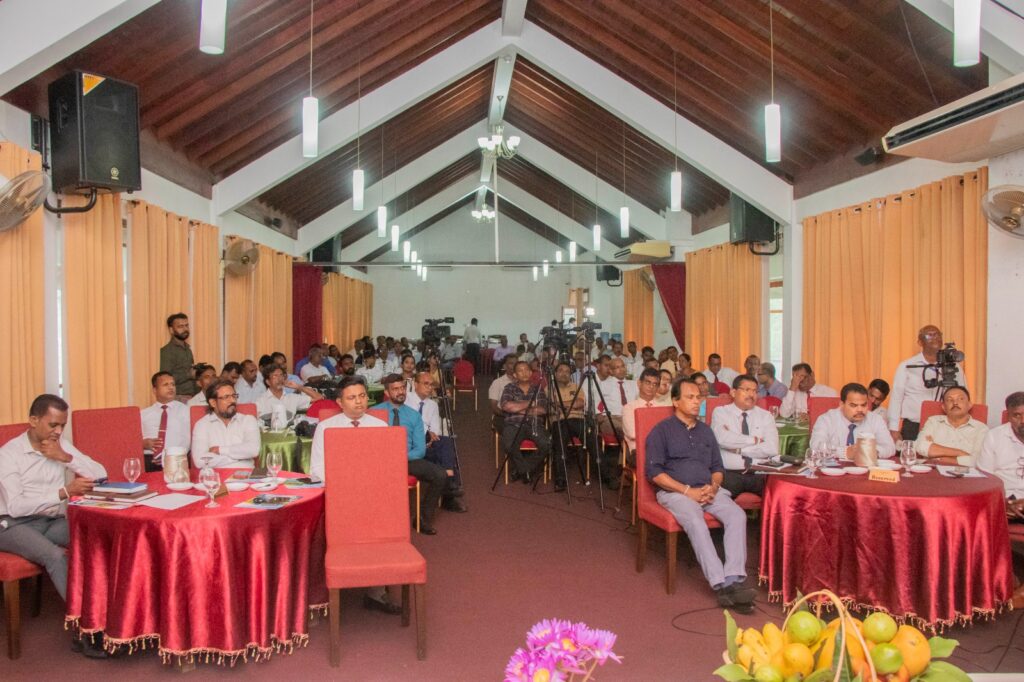
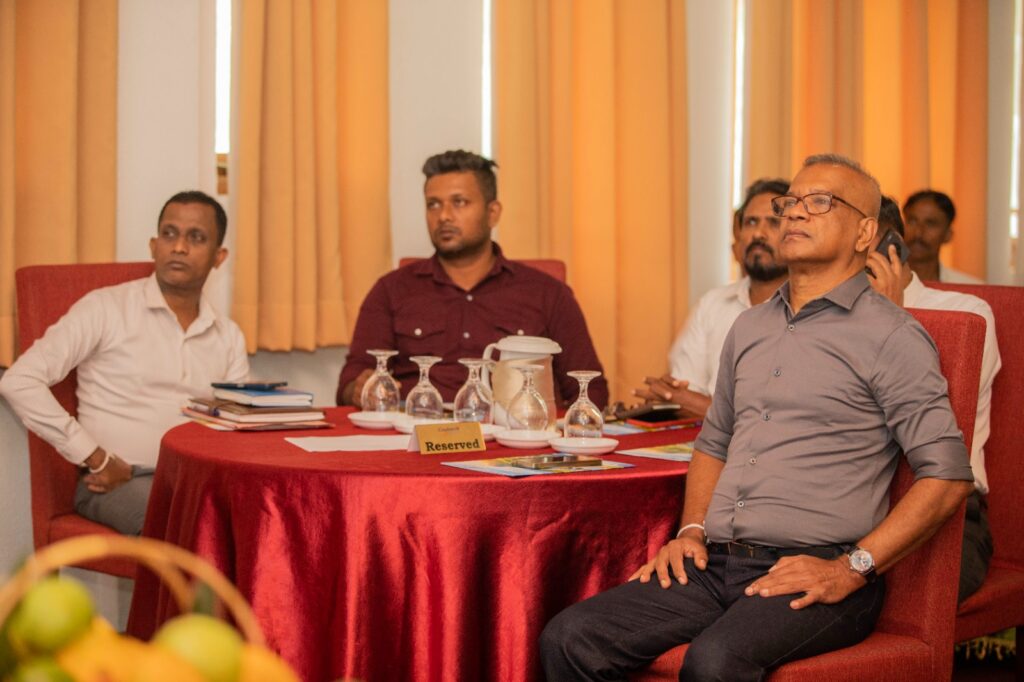
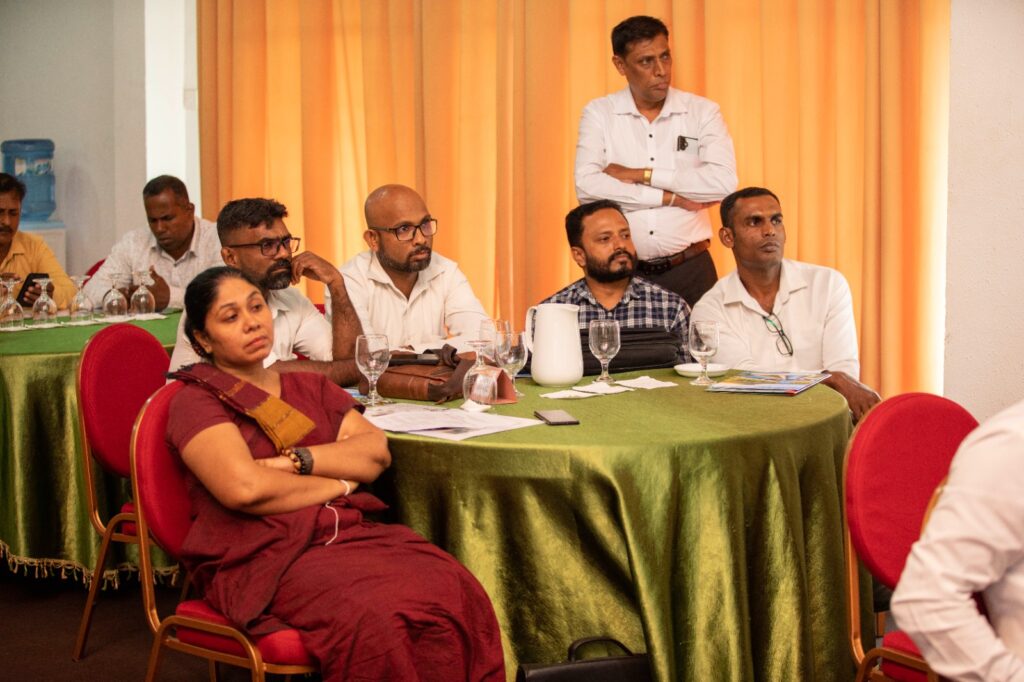
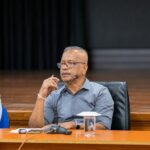
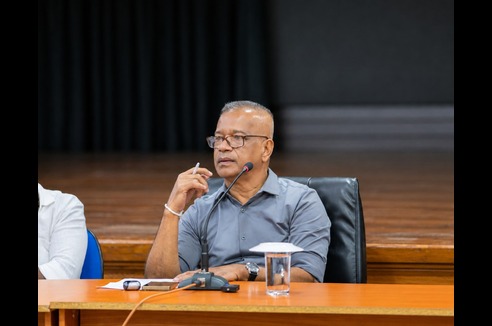
Under the second phase of the Mahaweli Water Security Investment Programme, implemented under the Ministry of Agriculture, Livestock, Land and Irrigation, K. D. Lal Kantha, Minister of Agriculture, Livestock, Land and Irrigation, took part today (11th) at the premises of the Anuradhapura National Postharvest Technology Institute and the Anuradhapura Seeds Bank premises, to launch the Commercial Agriculture Development Programme as a new project. At this event, discussion was held to inform all stakeholders regarding the future activities of the project.
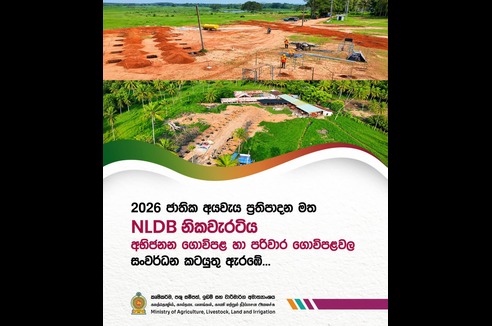
Covering 5,039 hectares of highland areas that were previously not adequately used, the project will rehabilitate small tank systems and convert them into environmentally friendly commercial farmlands with mango, guava, banana, papaya and passion fruit cultivation. To provide farmers with an income in the early years until the fruit trees reach full productivity, it also provides facilities for growing intercrops such as chilli, groundnut, watermelon, green gram and sesame. These new farmlands will be supplied with water through solar-powered, demand-based pressurized pipe water distribution systems, which is a major step forward in efficient and climate-friendly water management. Until the North Central Province Canal project is completed, the CAD programme will carry out highland cultivation using the water in the existing water sources of the selected tank systems. During this period, it is also expected to modernize about 2,000 hectares of existing commercial farmlands and develop them to improve crop quality and meet international market demand.
Hon. K. D. Lal Kantha, Minister of Agriculture, Livestock, Land and Irrigation, Susantha Kumara Nawarathna, Member of Parliament for the Anuradhapura District, the Governor of the North Central Province, the Secretary of the North Central Province, the Project Director, the District Secretaries of Anuradhapura and Polonnaruwa, the Director of Irrigation- Anuradhapura, the Additional Director General (Water Management, Mahaweli Authority), representatives of the Asian Development Bank, the Provincial Director of Agriculture, and officials of the line agencies took part in this occasion.
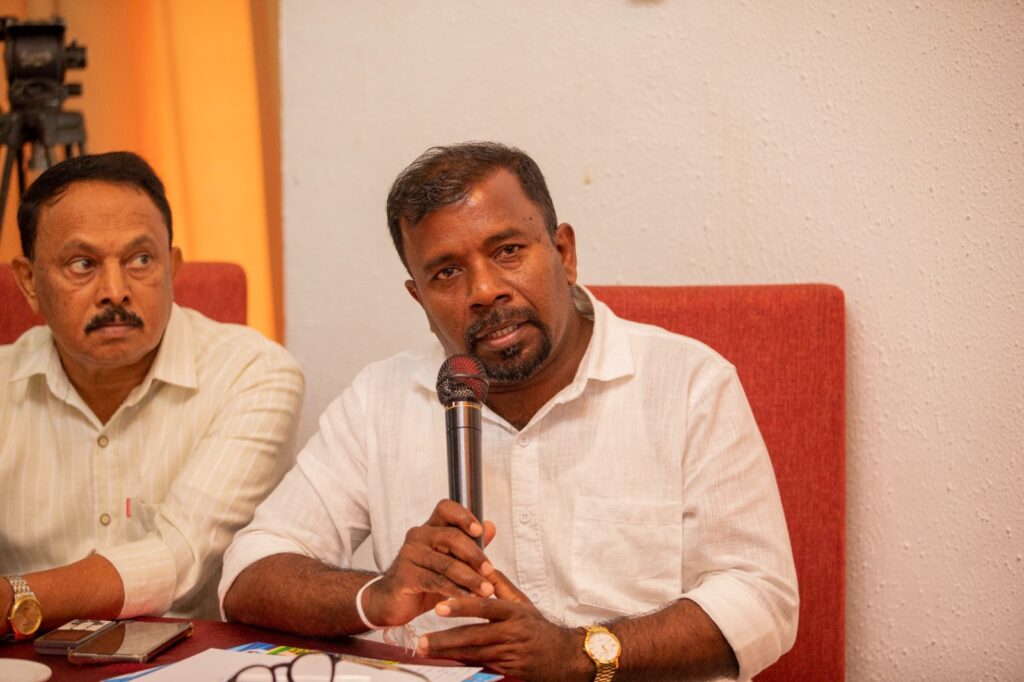
The Minister expressed his views as follows.
“After I took over this Ministry, various people came to meet me with various projects. In the images of one project, there was a farmer wearing a loincloth, with his hair tied up in a knot, carrying a mammoty on his shoulder. I told them to remove that. We now need to do away with that image of the farmer. If we are to take our agriculture forward, this situation must change. Similarly, in the distance there was a hut on top of a tree. It may seem very beautiful, but we who have lived on the ground know the hardship of such things. This project did not have anything like that.
We are working on an irrigation system under the Lower Uma Oya project. A reservoir called Kuda Oya was opened there, using the water that comes after electricity generation. At that ceremony, everyone was talking about how many acres of paddy fields could be cultivated from that reservoir. Under the circumstances, not even one new acre of paddy land should be cultivated. When a Minister of Agriculture in Sri Lanka says this, some media criticize it. We need irrigation for commercial agriculture at present. That is the purpose for which we now have to put land under water.
We provide fertilizer subsidy for additional crops grown on paddy land in order to encourage additional crop cultivation. We request you to cultivate maize as much as possible in the Anuradhapura District too. We want to reduce somewhat the land put under paddy and grow additional crops instead. In the Yaya 500 programme, we cultivate according to the full package recommended by the Department of Agriculture. It was possible to obtain a yield of more than 120 bushels of paddy per acre. Our idea is to use the tanks under the Department of Agrarian Development for additional crops and commercial cultivation.
Our farmer is still poor. We spend much on agriculture and irrigation and everyone’s standard of living is good except that of the farmer engaged in agriculture. The responsibility of our Ministry is to ensure food security and also to raise the farmer’s economy. Even though paddy is cultivated, it has not been possible to raise the farmer’s economy. To raise the farmer’s economy, we have to move towards commercial agriculture.”