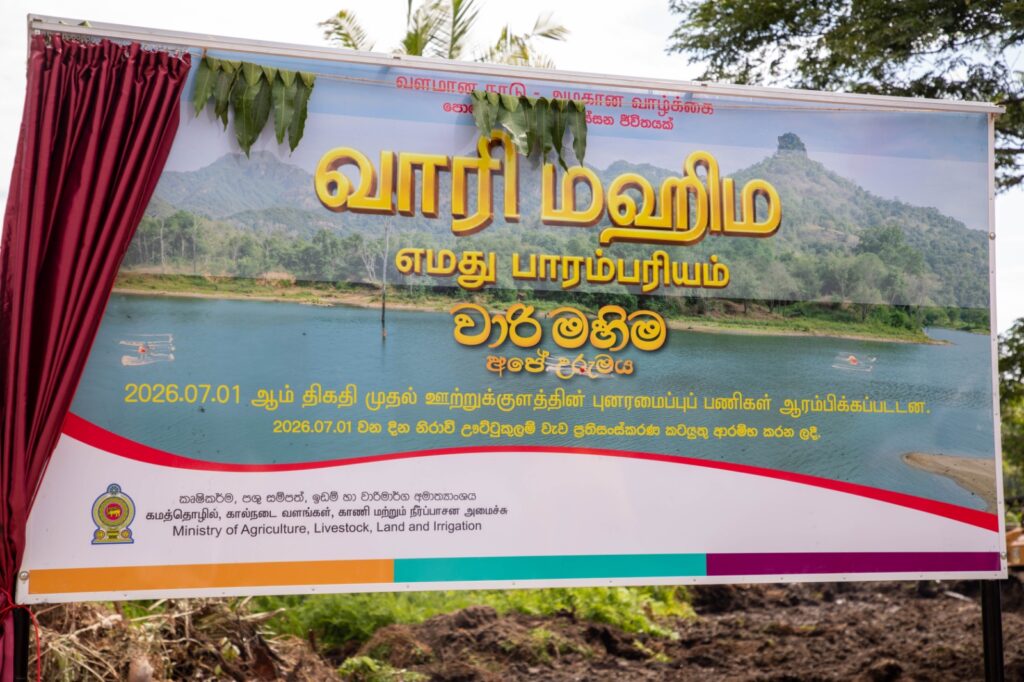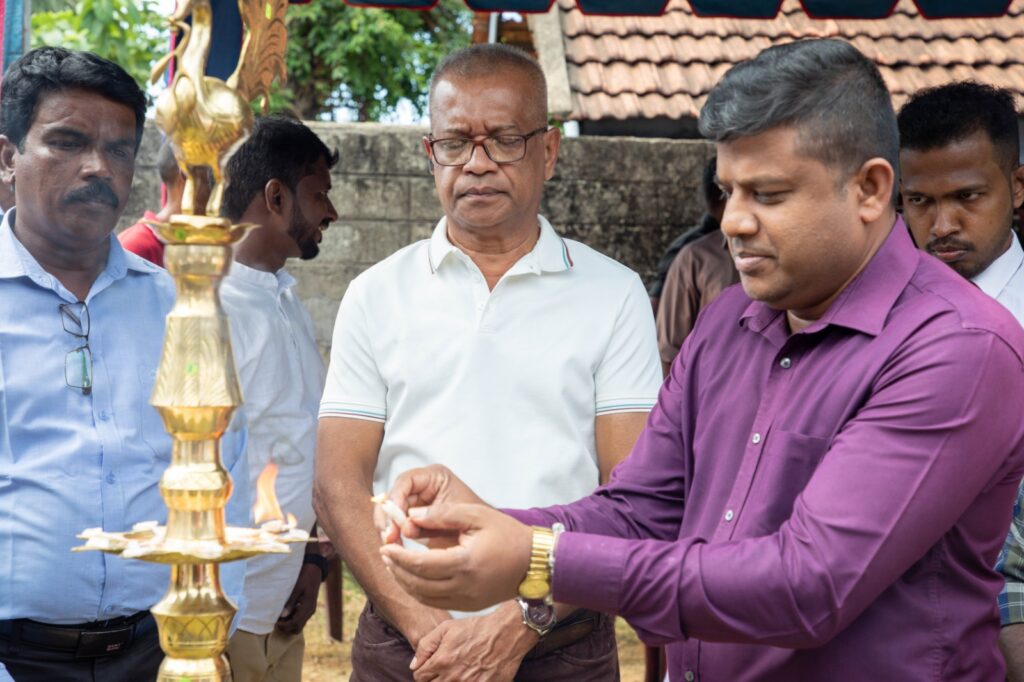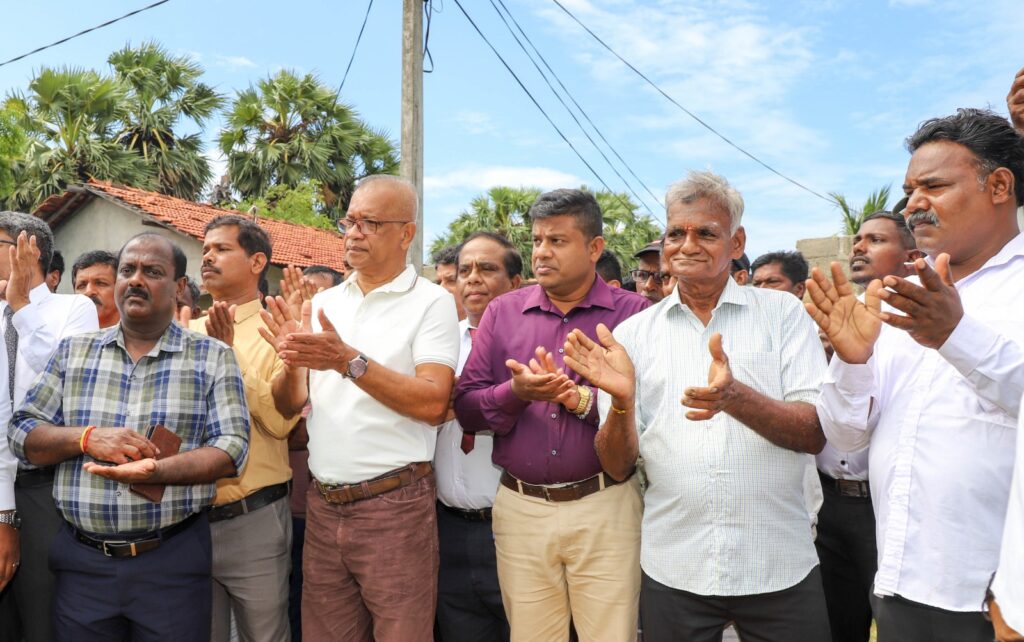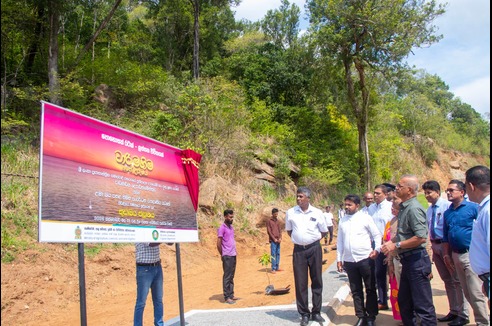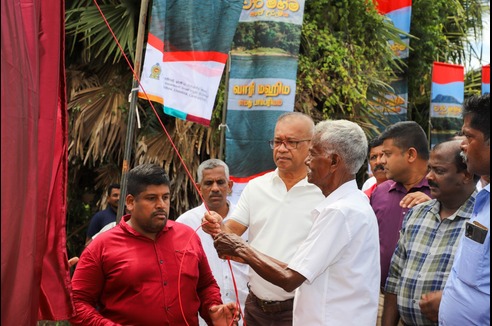
Work has commenced on the development of the Neeravi Uttukulam Tank in the Mullaitivu District under the ‘Wari Mahima Ape Urumaya’ national program.
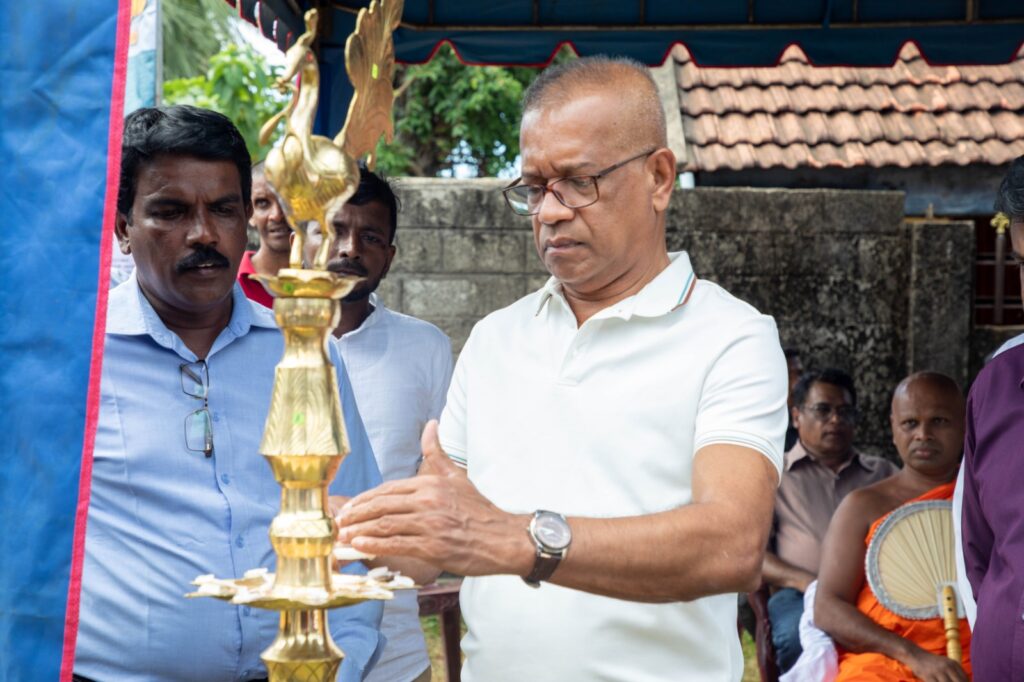
Under the national program “Wari Mahima Ape Urumaya”, implemented by the Ministry of Agriculture, Livestock, Land and Irrigation, work to develop the Neeravi Uttukulam Tank, located in Thannirittu village in the Mullaitivu District, began yesterday (01st).
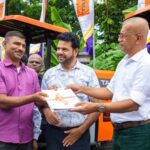
This event, held under the patronage of Minister of Agriculture, Livestock, Land and Irrigation Mr. K.D. Lal Kantha, was attended by a number of distinguished invitees, including Deputy Minister of Land and Irrigation Mr. Aravinda Senarath, Mullaitivu District Parliamentarian Dr. Thilakanathan, Mullaitivu District Secretary Mr. Uma Maheswaran, and Director of the “Wari Mahima Ape Urumaya” National Programme, Engineer Mr. Chandana Edirisuriya.
Approximately 400 acres of paddy fields in the Thannirittu area are currently cultivated under rain-fed conditions, and after the construction of this tank, it will be possible to expand these 400 acres to over 600 acres of paddy land. It is also a pleasure that the construction of the tank will help address the drinking water problems faced by the people of the area.
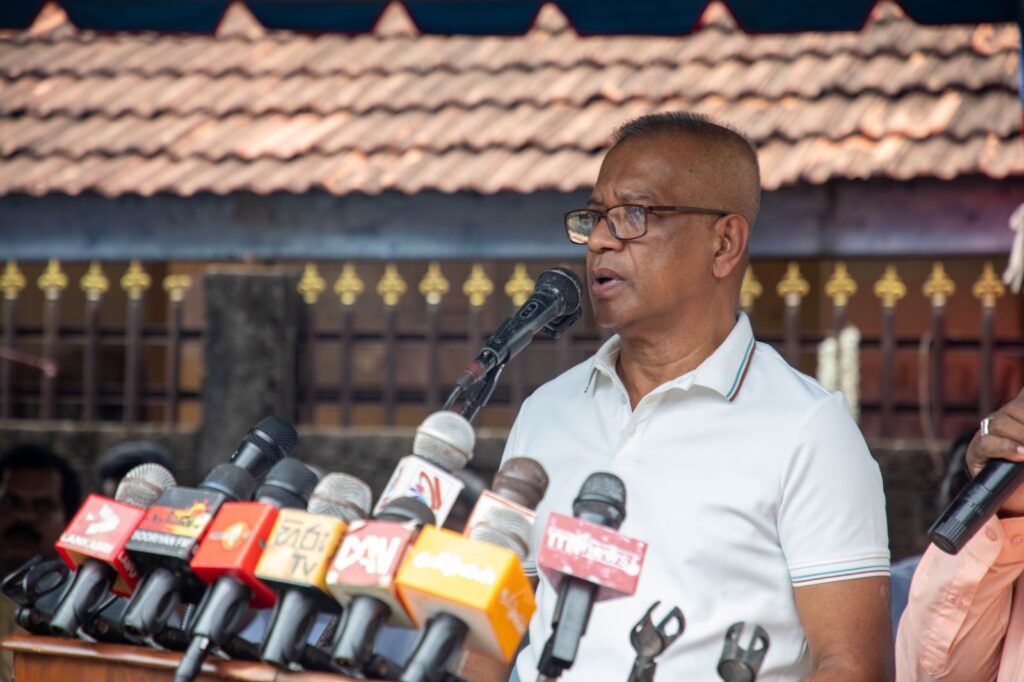
Mr. K.D. Lal Kantha, Minister of Agriculture, Livestock, Land, and Irrigation, expressed his views while participating in this event.
“Our ministry has a large number of institutions under it. Our institutions are short of officers. Especially when it comes to the livestock sector, there is a shortage of veterinary surgeons. Similarly, there is a shortage of Agricultural Research and Production Assistants in the Department of Agrarian Development. Because of this, we are proceeding with recruitment. Storage capacity of the Paddy Marketing Board in this area is insufficient. We are working on a programme to purchase paddy after establishing proper storage facilities.
When we visited this area before, our farmers and the general public told us that they have a land problem that their lands have been taken over by the Wildlife and Forest Conservation Departments. They requested us to have this problem resolved as quickly as possible. In this regard, we immediately presented the matter to the Cabinet of Ministers, and a committee was appointed by the Cabinet. That committee is now involved in resolving these land issues.
The President allocated funds for a new project in the last budget. We launched this programme today with those funds in the Mullaitivu District. Tank rehabilitation is being carried out through the Department of Agrarian Development, Department of Irrigation, and various other projects. This programme was launched in addition to those efforts.
We had a special reason for starting this project from the Mullaitivu District in the Northern Province. When the Kivul Oya project is launched by Mahaweli Authority, its benefits do not come here even though it is visibly located in this district. We wanted to start a few projects that would bring direct benefits to this district. This is one of them. We hope to rebuild the country’s economy by rehabilitating tanks, irrigation canals, and rivers across Sri Lanka.
The farming community still faces many problems. We have restored the Paddy Marketing Board, which had been closed, so that it can now purchase paddy. But that is not enough. It needs to be further expanded. We open the Paddy Marketing Board only during the harvesting season. This time, we are offering Rs. 120 for Nadu, Rs. 130 for Samba and Rs. 140 for Kiri Samba. The private sector should not purchase paddy below these prices. Doing so would be wrong and it is an injustice to the farming community. If paddy is purchased below the price announced by the government, legal provisions will be made regarding that. If necessary, we are prepared to amend the law in ways that benefit the farmer.
Since our paddy production has increased, we are focusing on using it for other products as well. Rice can also be used to manufacture various other products. In future, the obstacles to using rice for other forms of production will be completely removed. This will help bring competitiveness to the paddy market. Under this, we will implement a plan in the future that delivers good outcomes for the farming community.
By now, we have stopped the import of maize. Maize production in our country is usually around 700,000 metric tons. We produce only a fraction of that in the country. We hope to use rice for products that are made from maize. Through such programmes, we have finalized a broad plan designed to benefit both paddy farmers and consumers, by using rice for other kinds of production. That work has now begun. This requires the support of the people, as well as the cooperation of government officials. This is a people’s government.”