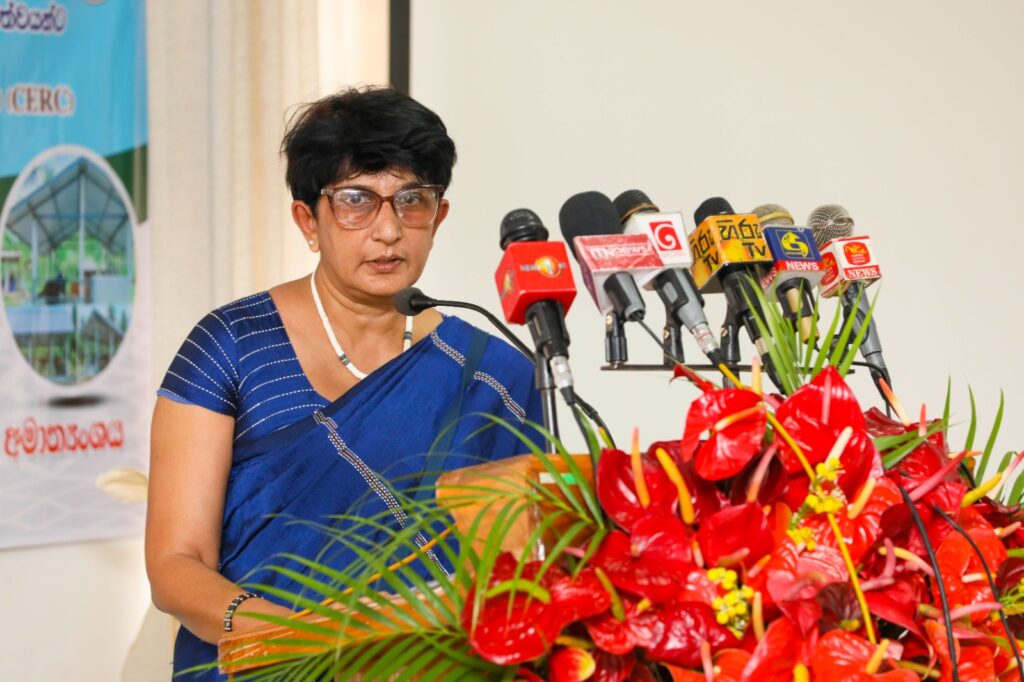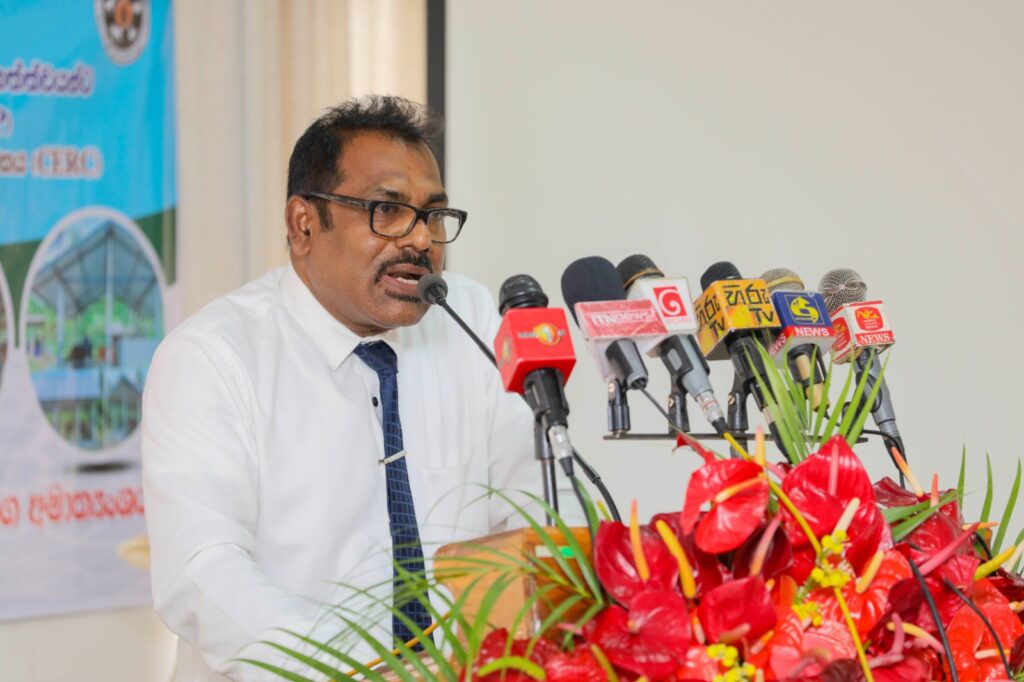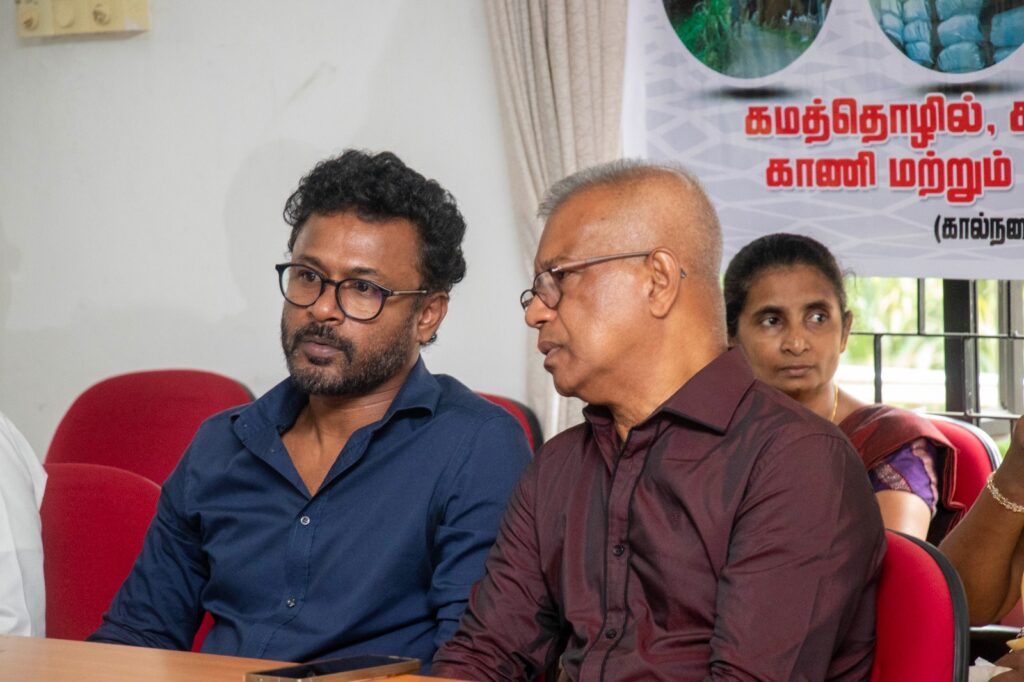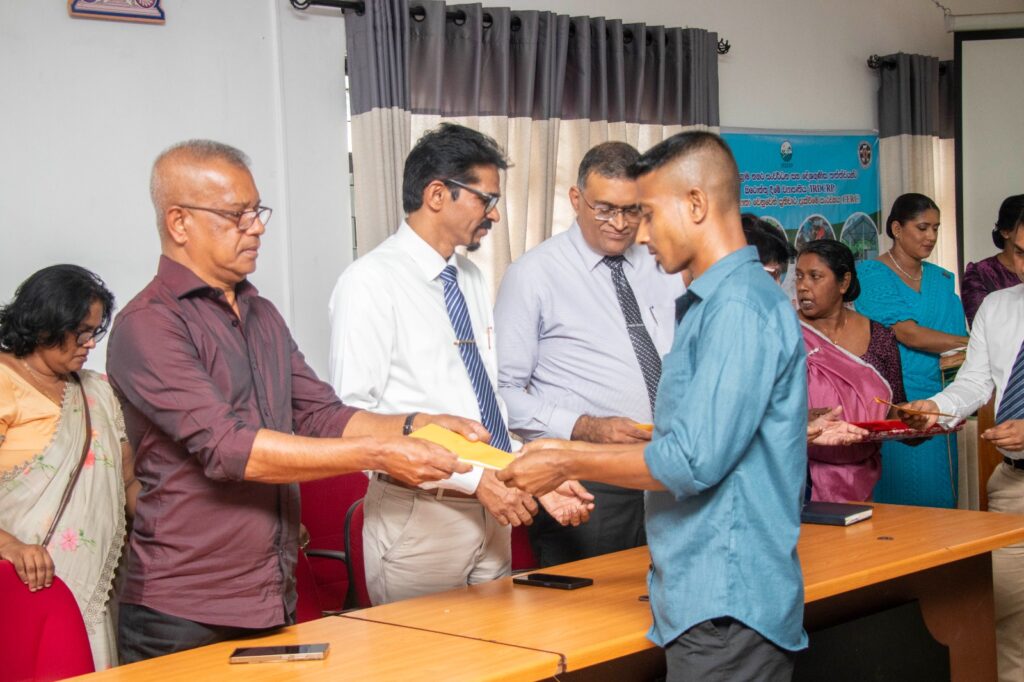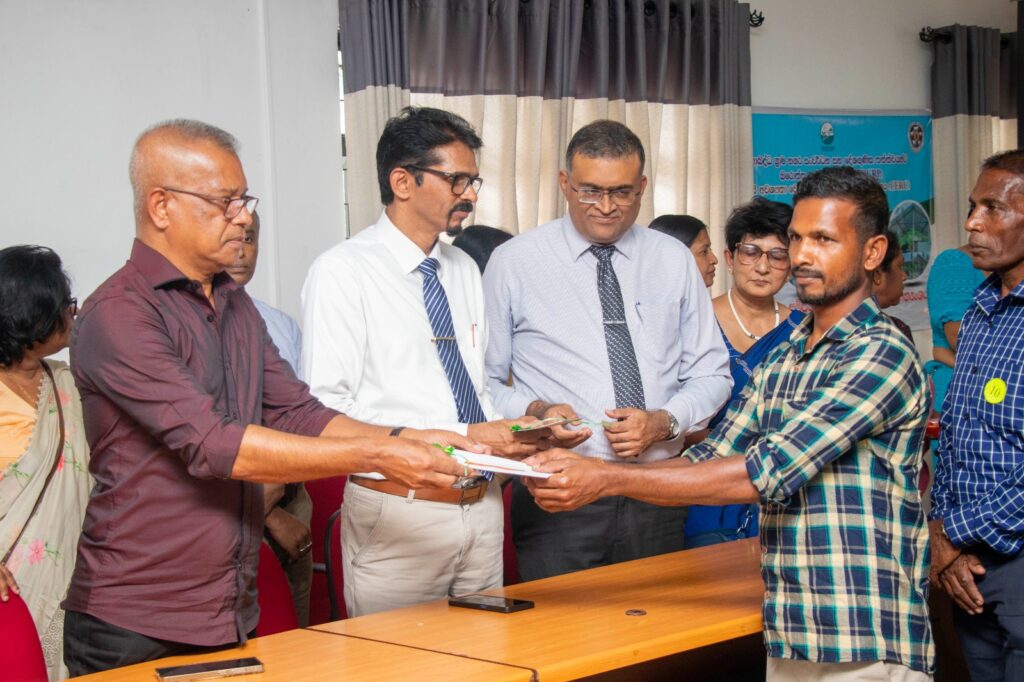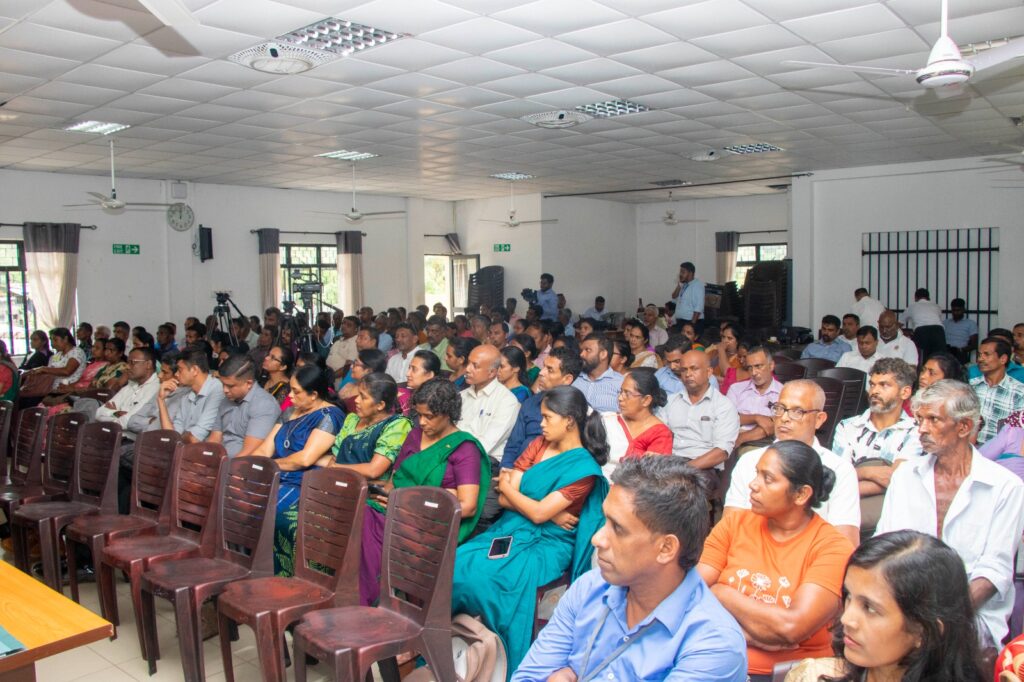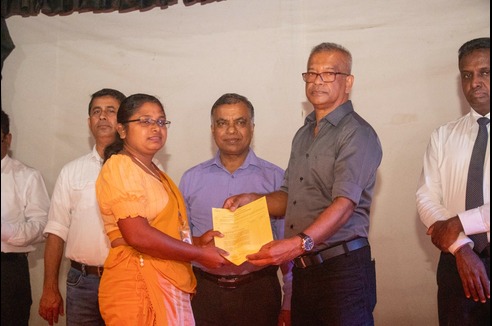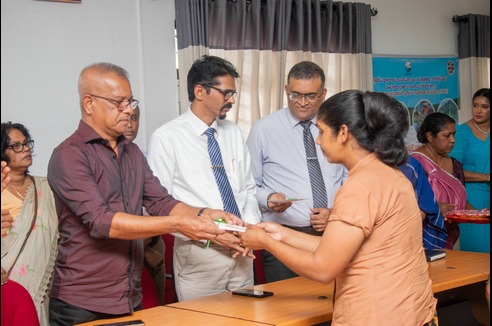
The inauguration ceremony of the programme to provide concentrated animal feed and mineral mixtures for dairy cattle in the areas damaged by the Ditwah disaster was held under the patronage of the Hon. Minister K.D. Lal Kantha.
The inauguration ceremony of the programme to provide concentrated animal feed and mineral mixtures for dairy cattle in the areas damaged by the Ditwah disaster was held on the 13th at the Talathuoya Veterinary Division in Kandy, under the patronage of the Hon. Minister K.D. Lal Kantha. In parallel with this national programme, animal feed assistance was also provided to dairy farmers affected by the disaster in the other provinces of the island.
This programme is implemented with the aim of minimizing the impact of the Ditwah disaster on the livestock sector and re-establishing the livelihoods of farming communities. The intervention is carried out through the involvement of the Livestock Division of the Ministry of Agriculture, Livestock, Land and Irrigation, under the Contingent Emergency Response Component (CERC) of the IRDCRP project, which is implemented with World Bank assistance.
Out of the total allocation of Rs. 2,400 million approved under the CERC component, around Rs. 278 million has been made for this dairy cattle feed subsidy programme. Under this, it is expected to provide immediate relief to farming communities affected by the disaster, meet the nutritional needs of the animals and create the conditions needed to keep milk production going without interruption.
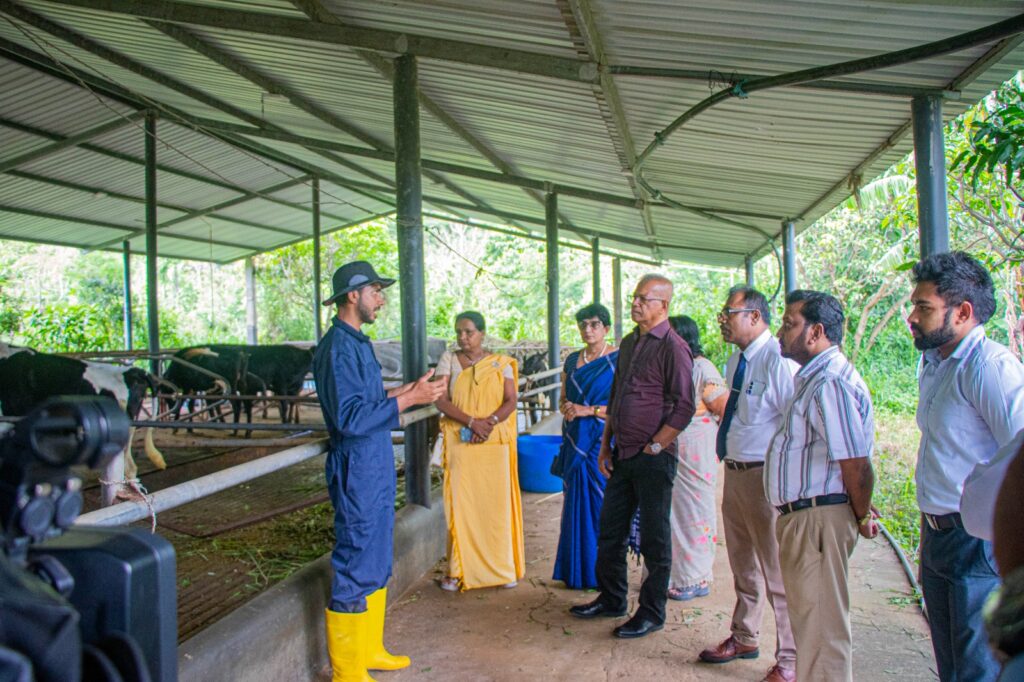
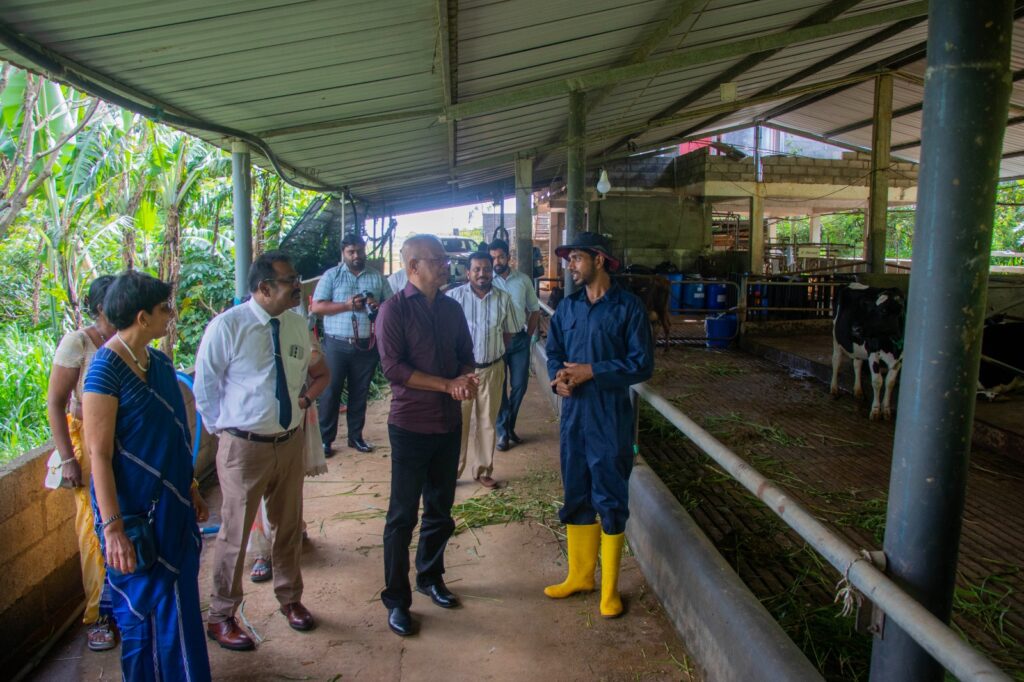
In line with this programme, several dairy farms that are maintained successfully under the guidance of the Department of Animal Production and Health were also observed. This provided an opportunity to learn about practical experiences relating to successful dairy farm management methods, animal nutrition, increasing milk production and farm development.
In restoring the livestock sector to normal after the disaster, it is important not only to provide emergency feed relief but also to build sustainable dairy farm systems in the long term. Accordingly, attention is also given to developing farmers’ knowledge and skills through field observations and technical guidance.
Under this programme, it is expected to protect the nutritional and health condition of dairy cattle, restore milk production to normal, safeguard the income sources of farming families and strengthen the continued viability of the domestic dairy production sector.
The main objective of this intervention is to provide immediate relief to dairy farmers affected by the disaster, revive their production activities and build a strong livestock sector that can withstand future challenges.
Joining the occasion, the Minister expressed his views.
“As a government, we can take policy decisions. Based on those policies, we can also allocate funds. The decisions to deliver them properly to the people are implemented by the government.
The livestock sector is one of the fields that does not have a sufficient number of public officers. A recruitment programme was carried out recently. The required number is not even coming forward. And even those who were recruited said that if they don’t get posted where they ask, they won’t go.
Milco is now making profits. Last year, the company gave bonuses to its employees. It also gave an additional payment to the farmers who supply milk to Milco. These days there is a discussion about giving Milco employees another salary on top of their regular pay at the end of the year. Milco has now been turned into a profit-making institution.
Our country does not have enough protein foods. Culturally, we are used to eating foods that are high in carbohydrates. Now, doctors say to eat as much protein as possible and to eat less flour. We produce only about 40% of our milk requirement. That is not enough. The livestock sector has great potential in our country and we should especially increase milk production. Our country has good egg production. They used to say that eating one egg a day was enough. But that’s not the case anymore.
We amended several Acts relating to the livestock sector, because this sector needs to be improved.
Compared with the neighbouring countries we know of, Sri Lanka has the lowest fuel prices. Even though there is a war in the world, we have managed the situation in Sri Lanka so as to minimize its impact. Maize is closely linked to animal feed. The amount currently grown in the country is not enough. Hence, maize production should be increased. In the future, we will increase the fertilizer subsidy given for additional crops.”