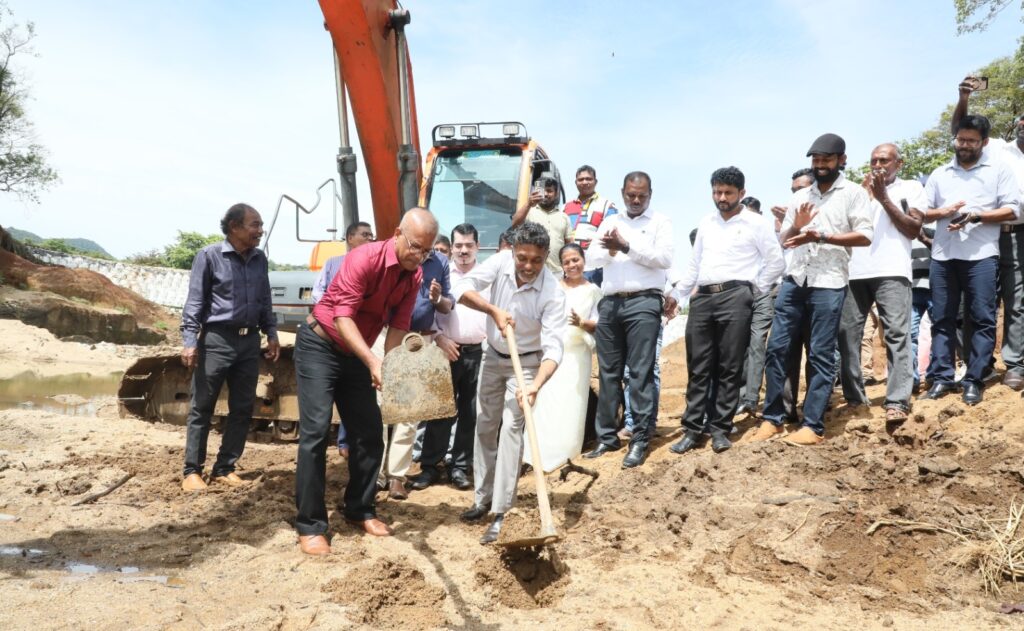
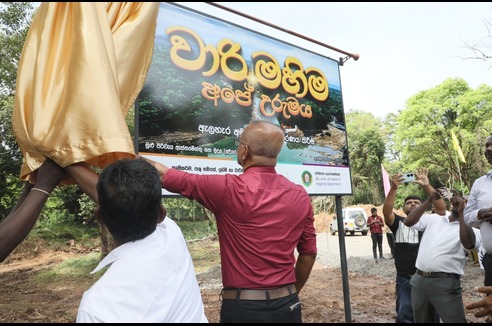
Renovation works of the Elahera Amuna begin.
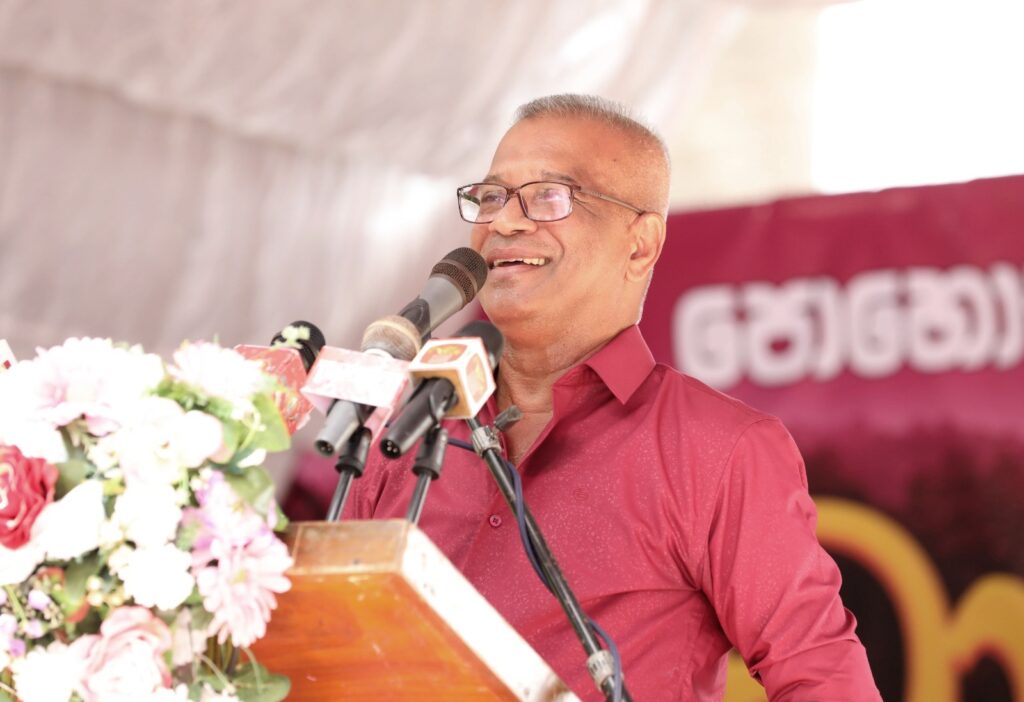
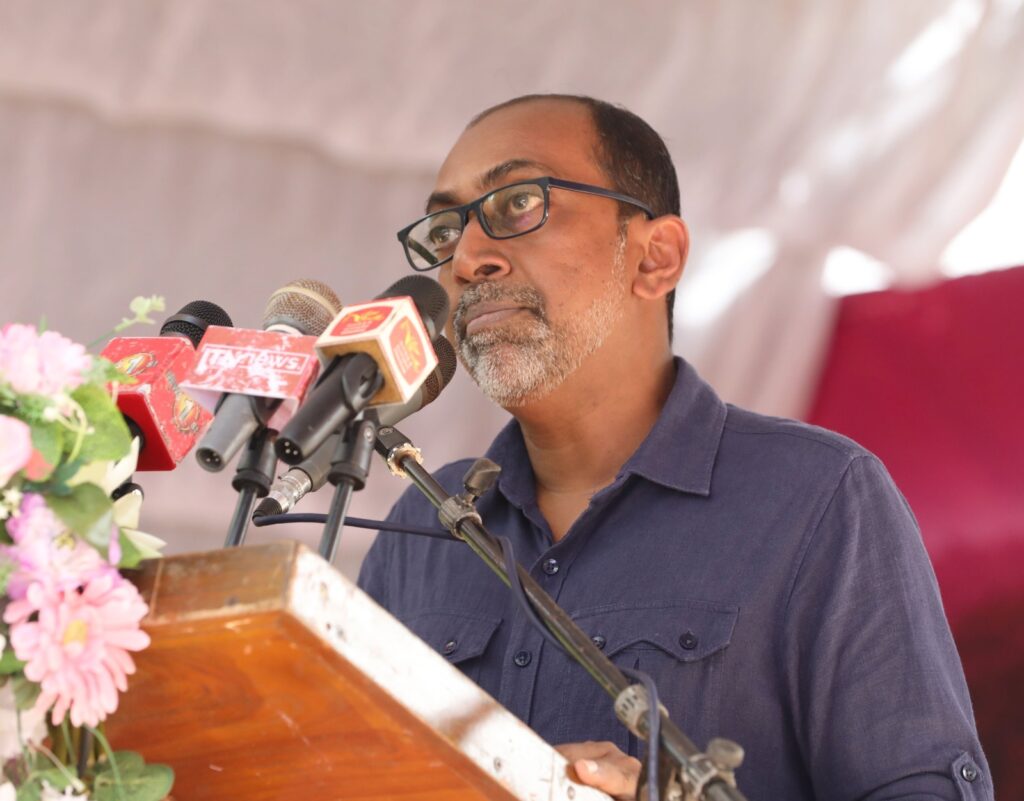
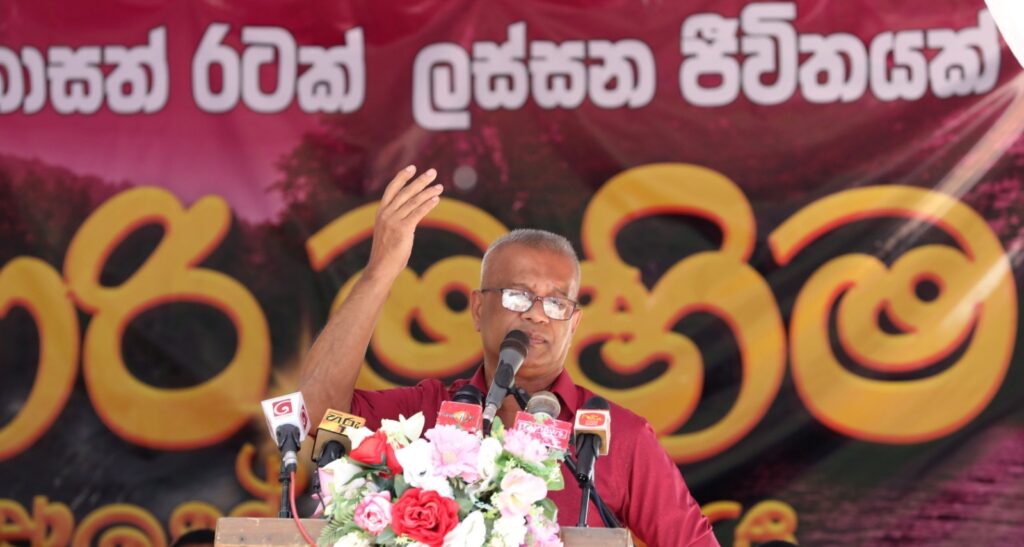
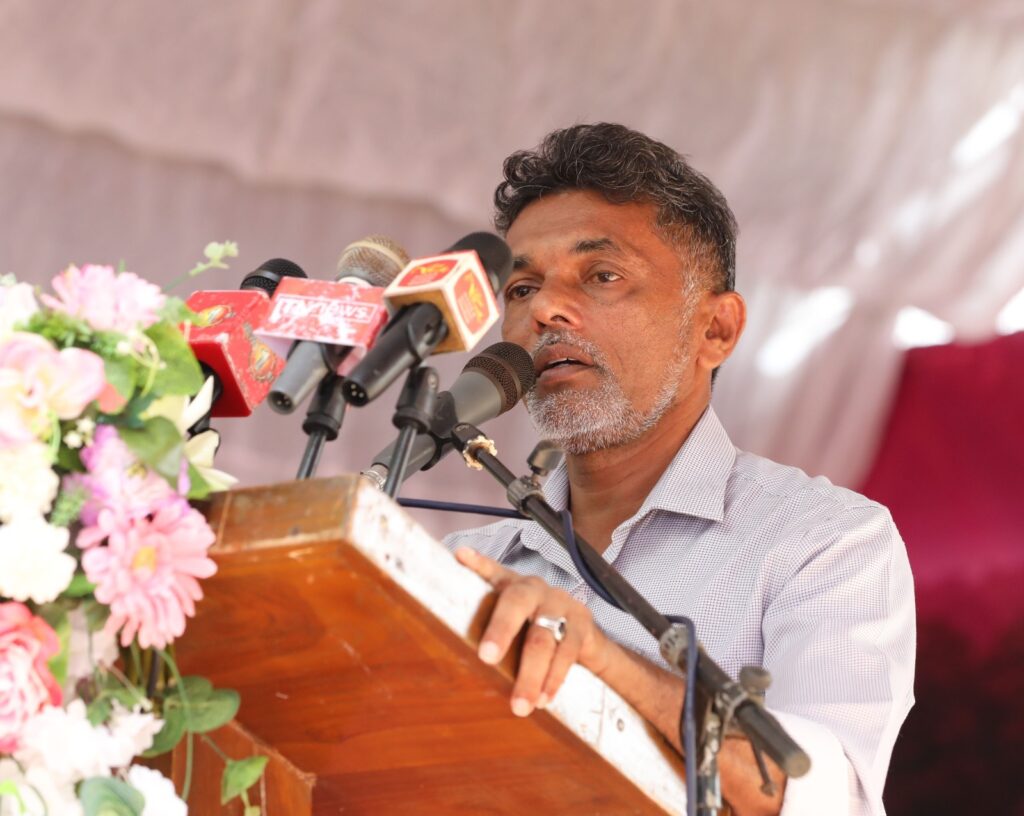
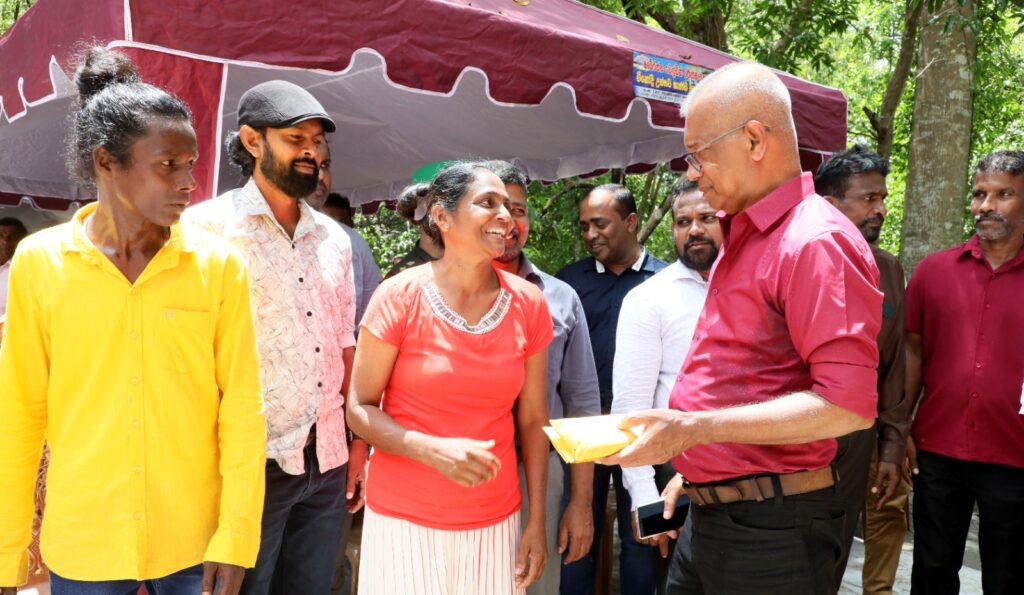
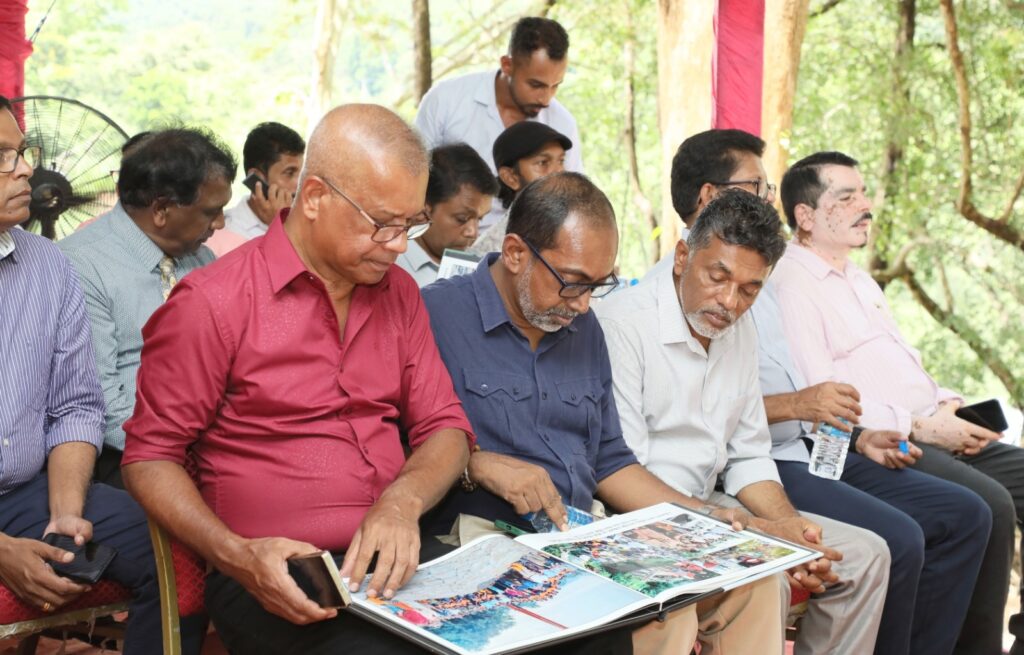
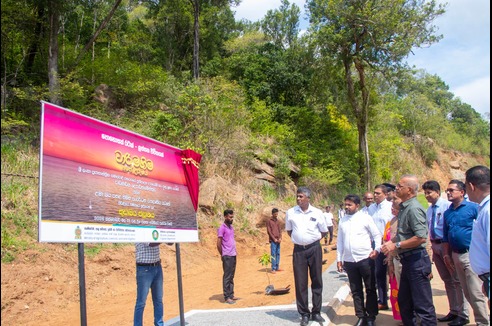
The renovation works of the Elahera Amuna commenced yesterday (10th) in line with the national programme ‘Wari Mahima Ape Urumaya’ with the participation of Minister of Agriculture, Livestock, Land and Irrigation K.D. Lalkantha, Minister of Buddhist Affairs, Religious and Cultural Affairs Hiniduma Sunil Senevi, Deputy Minister of Housing Construction and Water Supply T.B. Sarath, along with other political and state officials.
The estimated cost allocated for the initial phase of restoration of the Elahera Amuna, a World Heritage site destroyed by the Ditwah disaster, is Rs. 309,144,000.00.
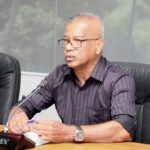
Participating in this event, Minister of Agriculture, Livestock, Lands and Irrigation K.D. Lalkantha expressed his views.
“If we take the Polonnaruwa District, 90% of it is paddy (rice) cultivation. Since various opposing parties are expressing different views, I would like to convey a message. The full amount of fertilizer required for the Yala season has been completely brought into the country and the process is done. There is more than enough fertilizer available. Distribution of fertilizer for the Yala season was commenced in the past few days through the Agrarian Service Centers. The private sector stopped distributing urea at our request. At present, approval has also been granted to the private sector institutions to distribute fertilizer as well.
In agriculture, even when we prepare the paddy fields by irrigating and ploughing them, begin cultivation at the right time, apply fertilizer at the right time, carry out all the other inputs, and even when the Paddy Marketing Board purchases paddy at Rs. 120 per kilogram, farmers still do not receive the best and fairest return for their product. That is one challenge we are facing. Challenges come to be overcome. Therefore, challenges arising are not problems. There is no intention to increase land for new paddy cultivation. We are now working towards obtaining a higher yield from the land already under cultivation. We ask our farmers to follow the recommendations of the Department of Agriculture. We must care for the crop properly, at the right time and in the right amount. The situation we are currently stuck in is that the harvest comes out within a very short period of time. When a large harvest enters the market all at once, problems arise regarding pricing and marketing. We now have to find solutions for that. When we were young, there was something called ‘goyam kolaya’ not the leaves of the plant. Farmers are well aware of this. Because of the paddy straw, rice could be stored along with the straw. After threshing the paddy, it used to be stored either on the threshing floor or in a granary (Atuwa). Now, that is no longer practiced. That means the function of storage no longer exists.
Currently, the Department of Agriculture has a package. The soil needs to be tilled to a depth of six inches. Chemical fertilizer should be applied according to the relevant recommendations, and additionally, organic fertilizer must also be applied. We need to establish a methodology for farmers themselves to dry the wet paddy they receive. A system that allows the farmer to dry their own paddy needs to be introduced now. There is a need for several farmers to come together and have the ability to dry and store their own paddy.
Next, it must be stored for a certain period of time. We have planned a programme and are in the process of implementing it. For that purpose, the government is building storage facilities in addition to the Paddy Marketing Board. If there is no storage at home, the paddy can be properly dried to standard and stored in government warehouses. Farmers will be able to retrieve it whenever they need it.
Economic diversification is also necessary for farmers. If it is possible to raise at least five dairy cattle, that is valuable. Other income sources also need to be looked into, rather than depending solely on paddy cultivation. There must be income diversification.
Everyone knows that the country’s economy had come to a standstill. Now, the country’s economy has begun to move again. For economic activities to run, money needs to reach the hands of the lower income groups. Nearly 80% of the national income goes to a handful of people. In that case, income does not trickle down. When poverty increases at the bottom, it is a disadvantage to the economy.
When we came to power, the minimum salary in the public sector was Rs. 24,250. Now it is Rs. 40,000. When the basic salary increases, every allowance also increases. When public servants spend their money, the economy starts to move right down to the small retail shop at the bottom. In the past, whenever a budget came, it was said that ‘what is distributed to the bottom is taken back from above with a spoon, and redistributed upward with a shovel.’ What did our government do? We did not take even a spoonful from the top. We distributed to the people with a shovel. We ourselves raised our hands and abolished our own pension benefits. We gave up the official residences of ministers. The unnecessary privileges that had been given to presidents were removed.
The farming community has been brought to a state where they are actively engaged in agriculture rather than being idle. Even paddy plots tucked away in remote corners are now being cultivated. Paddy cultivation has been turned into a more profitable and beneficial venture. Nowhere in Sri Lanka have paddy farmers suffered as much as in Polonnaruwa.
The economy has begun to run actively again while reducing the gap between the rich and the poor. In that effort, the role of the Irrigation Department is also significant. Sufficient funds have been allocated from the budget to state institutions. The problem is that our public service and social machinery currently do not have the capacity to fully channel those allocated funds into development activities. That is where the problem lies. The number of officials required for that purpose is not sufficient.
As a people’s government, we will continue to take steps to ensure that wealth flows downward. We are working to both develop the country economically and deliver economic benefits to the people. We are implementing an economically democratic programme.”