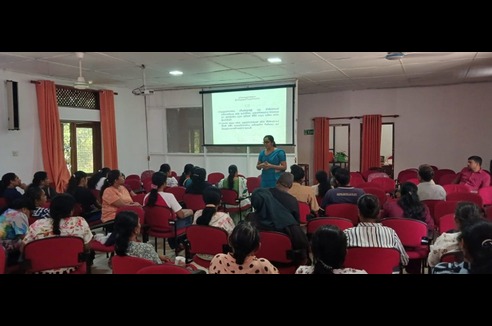
A program by SARP to boost nutrition and income by using local agricultural products
A series of special awareness programs is currently being actively carried out with the aim of improving household nutrition through value addition to locally produced, nutritious agricultural products, minimizing food waste and expanding income avenues for farming families. This programme, which is organized by the Smallholder Agribusiness and Resilience Project (SARP) implemented under the Ministry of Agriculture, Livestock, Land and Irrigation, is conducted with a focus on both project beneficiaries and the wider public within the relevant Grama Niladhari divisions.
Increasing agricultural production alone is not sufficient to improve a family’s nutritional status. Properly utilizing various locally available nutritious foods and ensuring their availability throughout the year are also extremely important. Accordingly, this initiative focuses primarily on enhancing food preservation through the processing and conservation of agricultural products, as well as minimizing heavy post-harvest losses and food waste that occur during the harvesting season.
The SARP project, which is implemented by the Ministry of Agriculture, Livestock, Land and Irrigation under a loan facility from the International Fund for Agricultural Development (IFAD), introduces a wide range of value-added products with market value based on local agricultural resources:
Fruits – Dried fruits, fruit juices, jams, and sauces.
Vegetables and leafy vegetables – Dried products, pickles and sauces.
Cereals and legumes – Nutritious low-calorie snacks, flour mixes, porridge mixes and instant foods.
Oil nuts and seeds (ground nuts, sesame) – Butter, toffee, sauces and low-calorie confectionery.
Mushrooms – Pickles, pastes, sauces and other products.
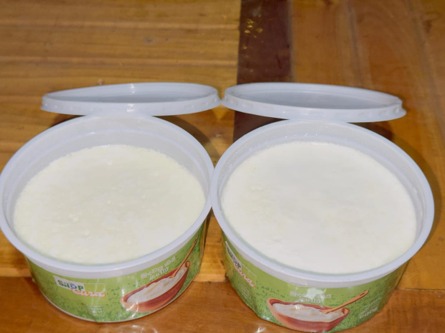
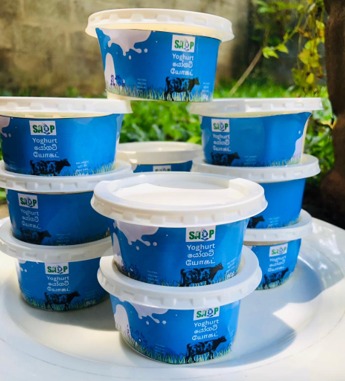
Dairy products – Yogurt and curd
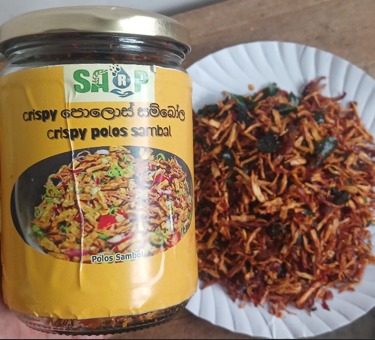
Spices – Sauces, spice mixes, pastes and healthy seasoning cubes.
Under this program, steps have been taken to provide women, farmers and community groups with practical knowledge and skills in nutrition-sensitive food processing, preservation, hygiene and food safety. In addition, awareness on proper packaging, labeling and storage is also expected to enhance the market appeal, quality and shelf life of these products.
Promoting the consumption of nutritious food through the use of local resources helps improve household dietary diversity, while minimizing post-harvest losses paves the way for ensuring nutrition throughout the year. At the same time, this program creates small-scale agribusiness opportunities targeted at rural women and farmer groups, thereby strengthening their economic status.
Farmers and interested parties wishing to take part in this program and obtain technical guidance can contact the Smallholder Agribusiness and Resilience Project (SARP) for further information.
Telephone: 011 2770986
Information provided by: Mr. Monty Ranathunga – Project Director