Restoration Begins for Kachchimaduwa Tank Damaged by Ditwah Disaster.
The Irrigation Department begins work at an estimated cost of Rs. 200 million
Eliminating the poverty of the farming community is a key responsibility of the Ministry – Minister K.D. Lal Kantha
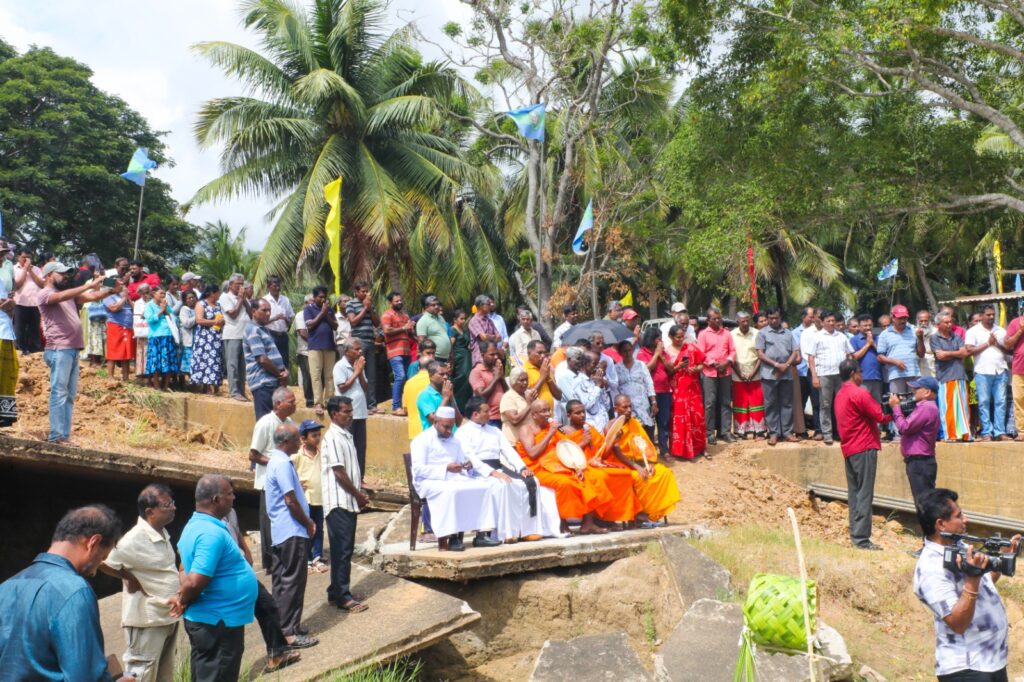
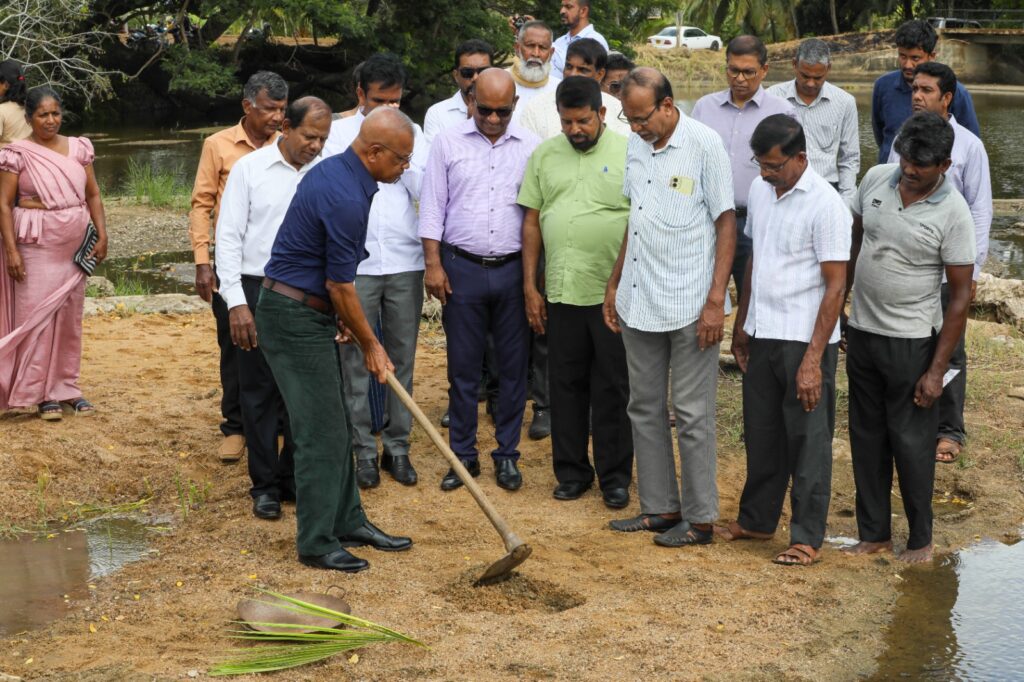
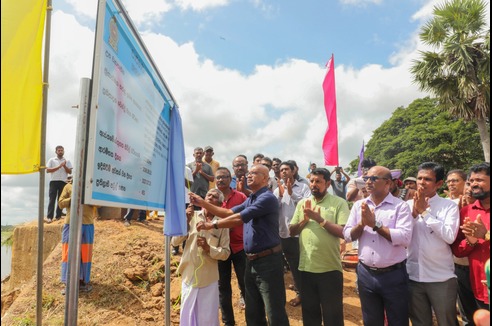
The work of restoring the Kachchimaduwa tank, belonging to the Kottukachchiya Farmers’ Organization and damaged by the Ditwah disaster, was commenced yesterday (25th) at an auspicious moment. The inaugural ceremony was held under the patronage of Minister of Agriculture, Livestock, Land and Irrigation, Mr. K.D. Lal Kantha.
The estimated cost of this restoration project, which is implemented by the Irrigation Department under the Ministry of Agriculture, Livestock, Land and Irrigation, is Rs. 200 million.
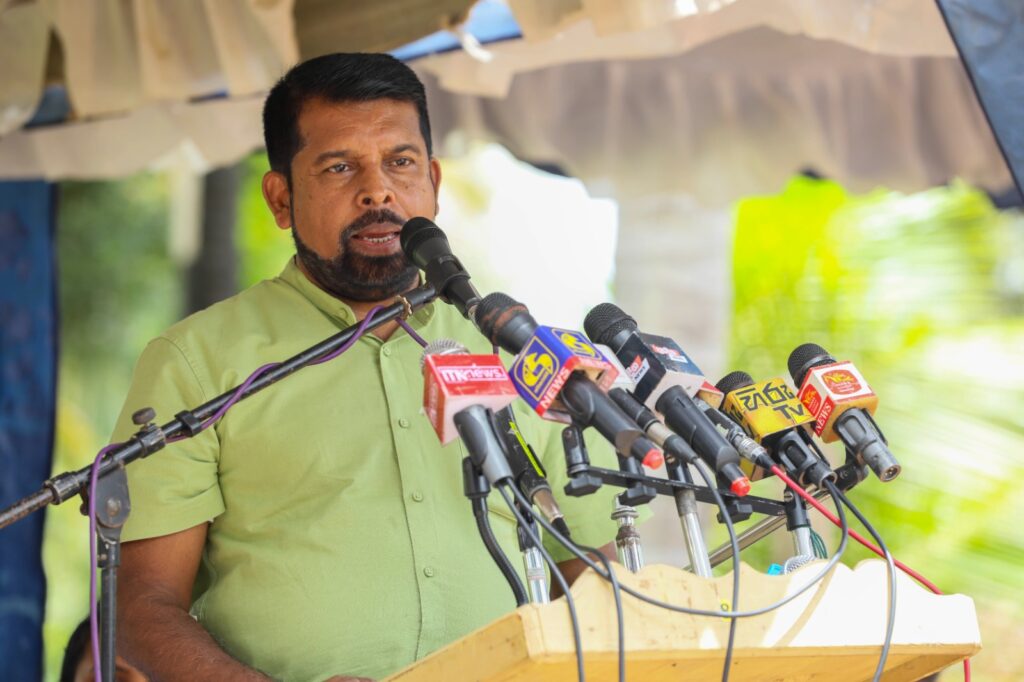
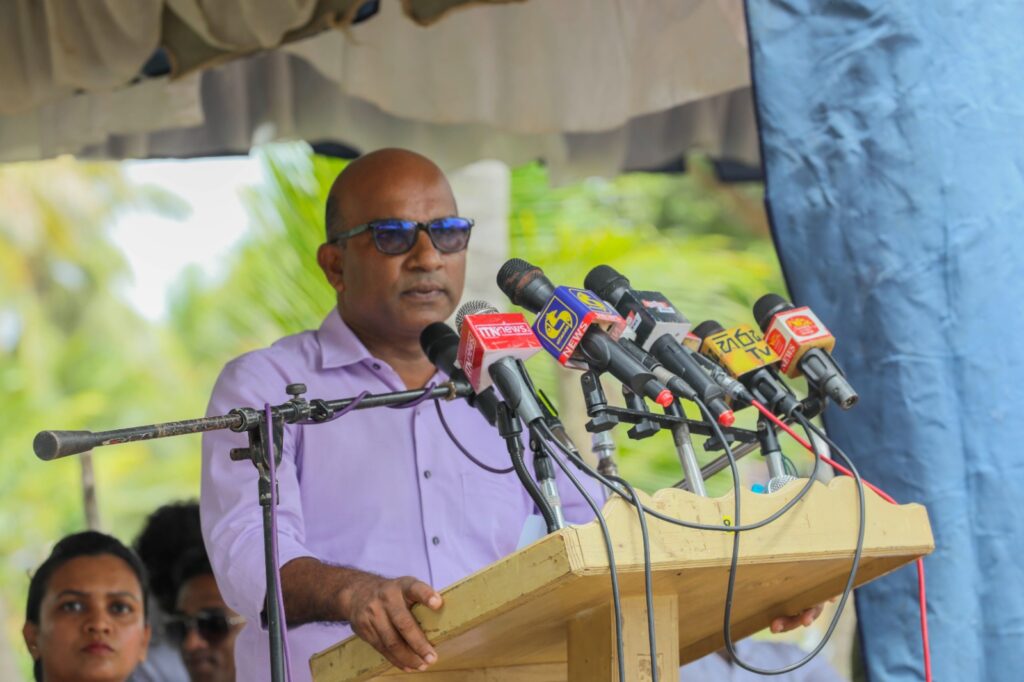
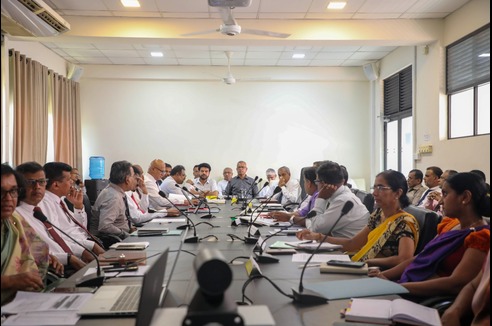
This occasion was attended by Minister Prof. Chandana Abeyratne, Puttalam District Parliamentarian Mr. Ajith Gihan and other representatives of the political authority and a number of government officials.
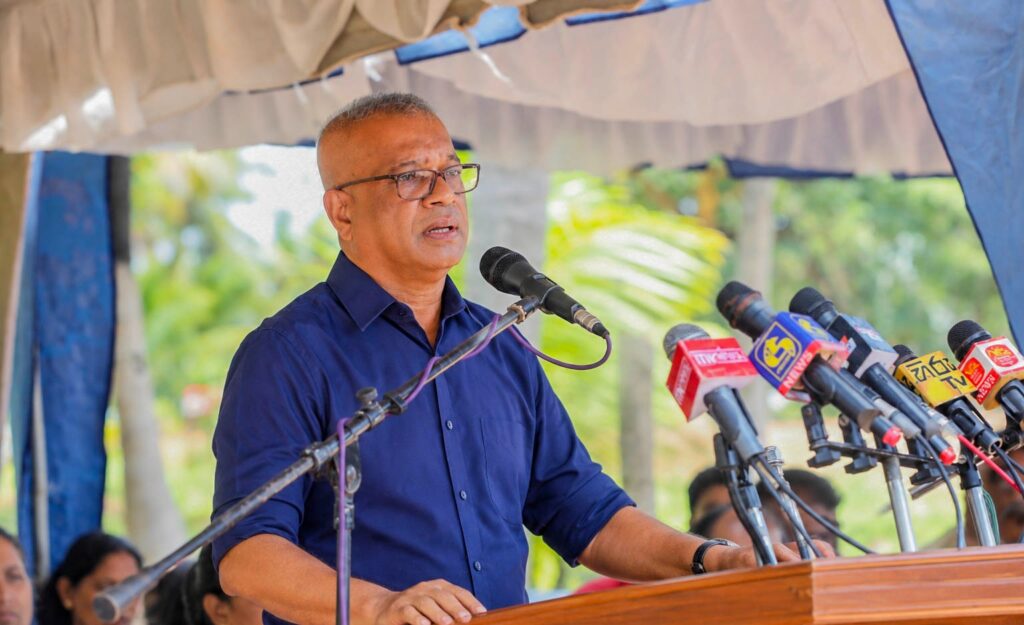
Addressing the gathering, Minister K.D. Lal Kantha stated that the agricultural sector currently faces a number of challenges.
“Today, providing a fair and just price for farmers’ produce in agriculture has become a major challenge. If there is no proper price and economic benefit within the market, there is no point in cultivating. Generally, the farming community of our country is poor. A key responsibility entrusted to our ministry is to eliminate that poverty.”
The Minister, who stated that the government has allocated a large sum of money for irrigation work, also pointed out that carrying out government work has become challenging due to existing vacancies in the public service.
“The responsibility of religious leaders is to enrich people’s spiritual life, while the government’s main role is to build up their worldly life,” the Minister said, expressing his views on the respective roles of religious leaders and the government.
Speaking about the program to provide an adequate price for farmers’ paddy harvest, the Minister stated that since government warehouses alone cannot purchase all the paddy, arrangements will be made to bring small and medium-scale rice mill owners on board and provide each of them with an interest-free loan facility of Rs. 25 million through the state treasury. He also mentioned that large-scale rice mill owners would likewise purchase paddy at the government-announced price. He further stated that the government would intervene to provide new technology as a solution to the problem of wet paddy faced by farmers.
The Minister emphasized that farmers should not limit themselves to a single crop or paddy field alone, but should also focus on the livestock sector and diversify their sources of income.
“You cannot make a profit by getting only 80 bushels of paddy per acre. Right now, in some areas of Sri Lanka, they are getting 200 bushels per acre. Under the guidance of the Department of Agriculture, we are implementing a program to increase the yield obtained per acre. Cultivators must not farm haphazardly, but should cultivate according to the recommendations of the Department of Agriculture.”
The Minister said that maize has become a major crop for animal feed and that against the country’s annual requirement of 700,000 metric tons of maize, only 300,000 metric tons are produced locally, while steps have been taken to stop importing the remaining 400,000 tons and use rice in its place instead. The Minister also pointed out that producing other products from rice could enrich the economy of the paddy farmer.
The Minister further stated that both chemical and organic fertilizer should be applied in paddy cultivation and that the government is committed to strengthening the farmer by providing fertilizer subsidies and irrigation facilities.
Minister K.D. Lal Kantha emphasized that the main role of the ministry is to ensure food security and strengthen the economy of the farming community and that the active participation of farmers themselves is also essential for that purpose.