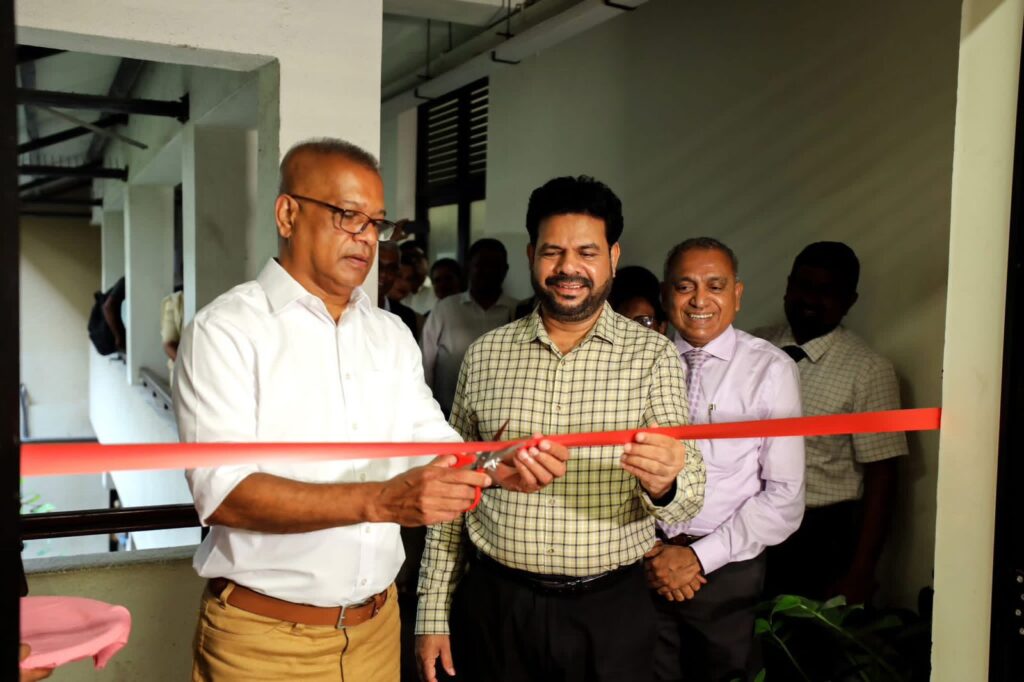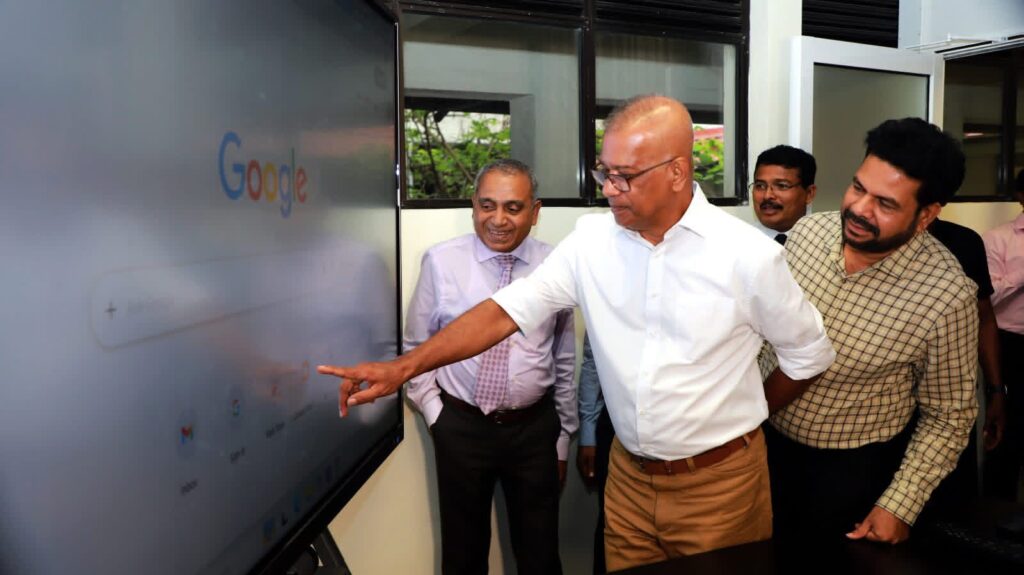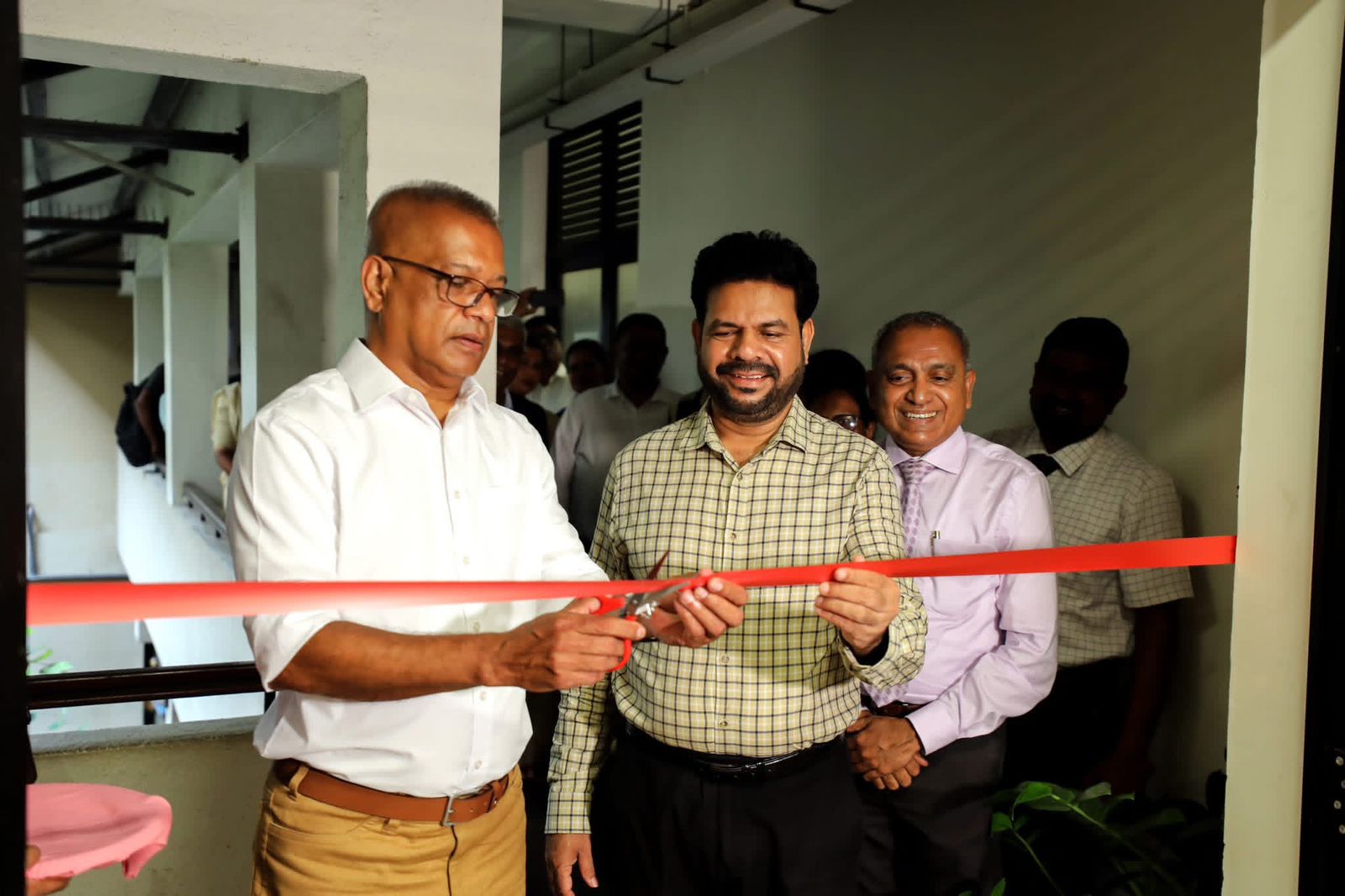
Minister of Agriculture, Livestock, Land and Irrigation, Mr. K.D. Lalkantha, Inaugurates the Climate Smart Agriculture Centre.
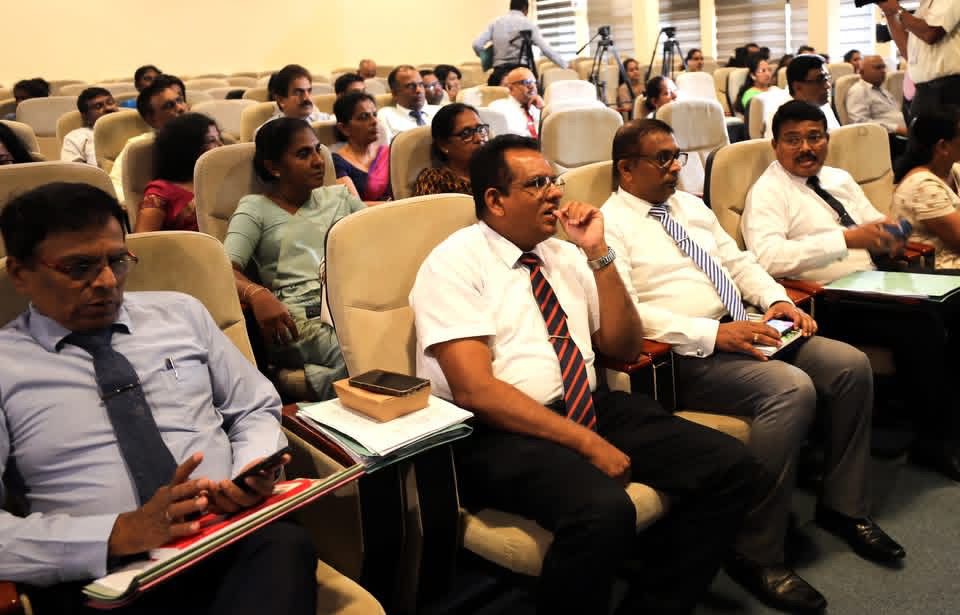
The Climate Smart Agriculture Centre, located on the ground floor of the Govijana Mandiraya, was ceremonially inaugurated yesterday (27th) by the Minister of Agriculture, Livestock, Land and Irrigation, Mr. K.D. Lalkantha. The Deputy Minister of Agriculture and Livestock, Mr. Namal Karunarathna, also joined the occasion.
The main objective of establishing this centre is to transform Sri Lanka’s agricultural sector into a climate-resilient, productive, and market based agri-food system. Under this initiative, it is expected to improve agricultural productivity, strengthen the capacity to adapt to climate change, minimize greenhouse gas emissions, and improve the livelihoods of farmers and food security.
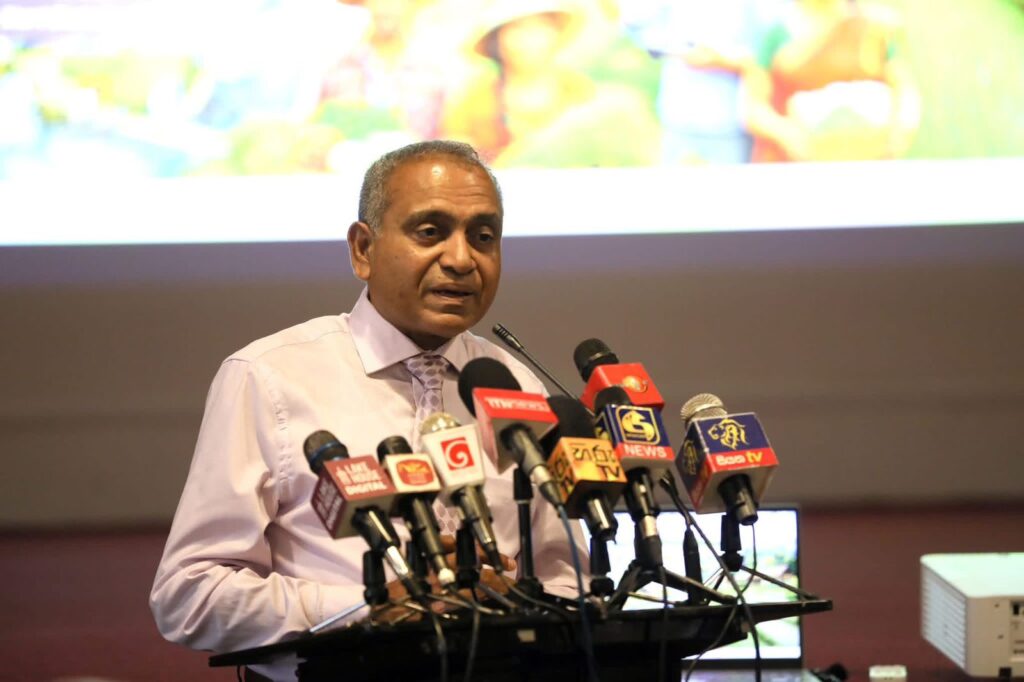
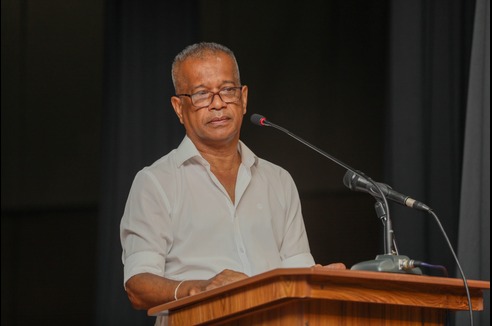
Participating in this event, Secretary to the Ministry, Mr. D.P. Wickremasinghe, expressed his views.
“Transitioning from our traditional agriculture to climate smart agriculture is not an easy task. A great deal of effort must be made to familiarize farmers with this. Officials will need to make significant sacrifices for that purpose. This centre can be maintained as a centre that provides the necessary support for such dedication.
Things related to climate smart agriculture that were started previously and have now been abandoned must be reintegrated into the national economy. It is important to maintain the Climate Smart Agriculture Centre on a continuous basis. We must create the necessary environment for that purpose.”
Deputy Minister of Agriculture and Livestock, Mr. Namal Karunarathna, also expressed his views on this occasion.
“Agricultural activities must be carried forward while managing climate, weather, and all such factors. Cyclone Ditwah struck the entire country, causing massive damage. Agriculture suffers harm due to factors such as drought and rainfall. If we take a country like the Netherlands, it is a smaller country than ours, yet it has secured second place in the world market in relation to agriculture. We must learn lessons and experience from that.
The cost of production in our country is high. Yields are low. Our land is limited. It is necessary to obtain higher yields from the available land. There are large amounts of arid land in the world that are not being utilized. These have been managed through technology and put to productive use.
Our country has a large number of tanks, streams, and rivers. Although there is a large amount of water in the country, we utilize only a small portion of it. If we can at least double the amount of water we utilize, there are answers to three problems in our country. Unused land can be put to agricultural use. Similarly, natural disasters such as floods can be managed to a great extent.
Another problem we face as a country is wildlife damage. While protecting animal rights, we must manage the situation in a way that controls animal breeding and also protects agricultural lands. Moving forward with technology, we have the need to properly manage this small island in every aspect.”