Agrarian Awards and the Agrarian Development Officers’ Convention were held under the patronage of K.D. Lal Kantha, Minister of Agriculture, Livestock, Land and Irrigation
The Agrarian Awards and the Agrarian Development Officers’ Convention were held today (10th) in Polgolla, under the patronage of K.D. Lal Kantha, Minister of Agriculture, Livestock, Land and Irrigation.
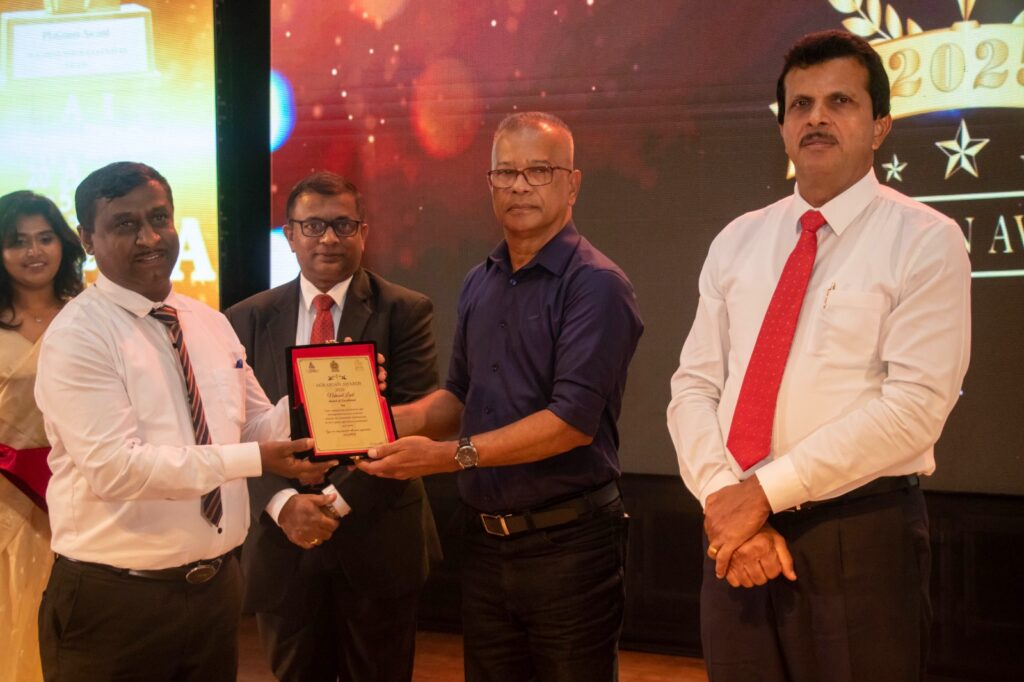
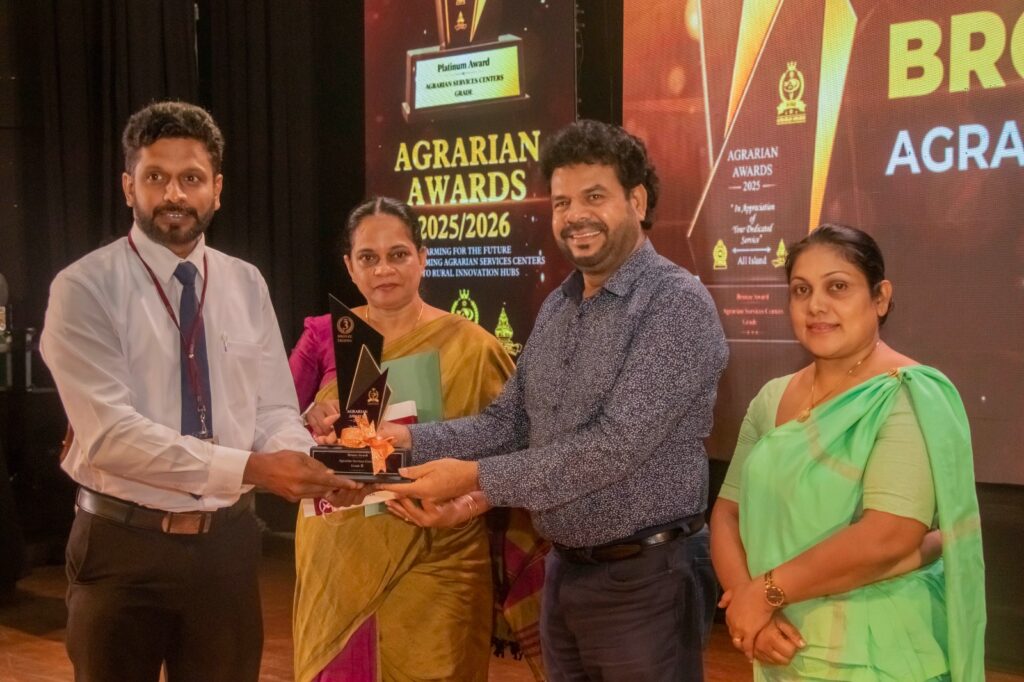
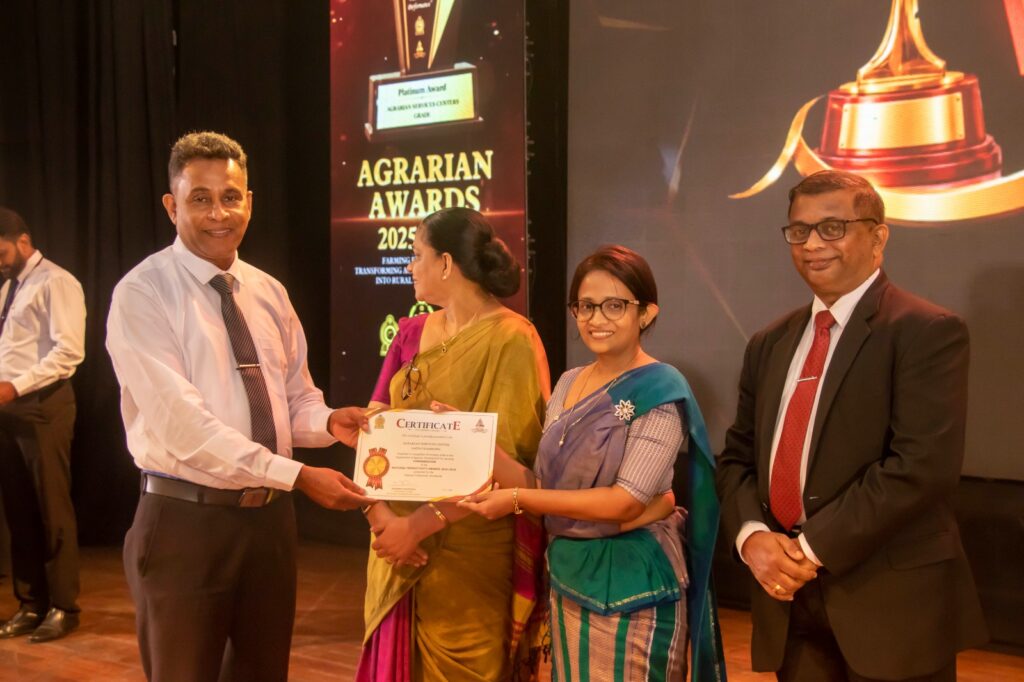
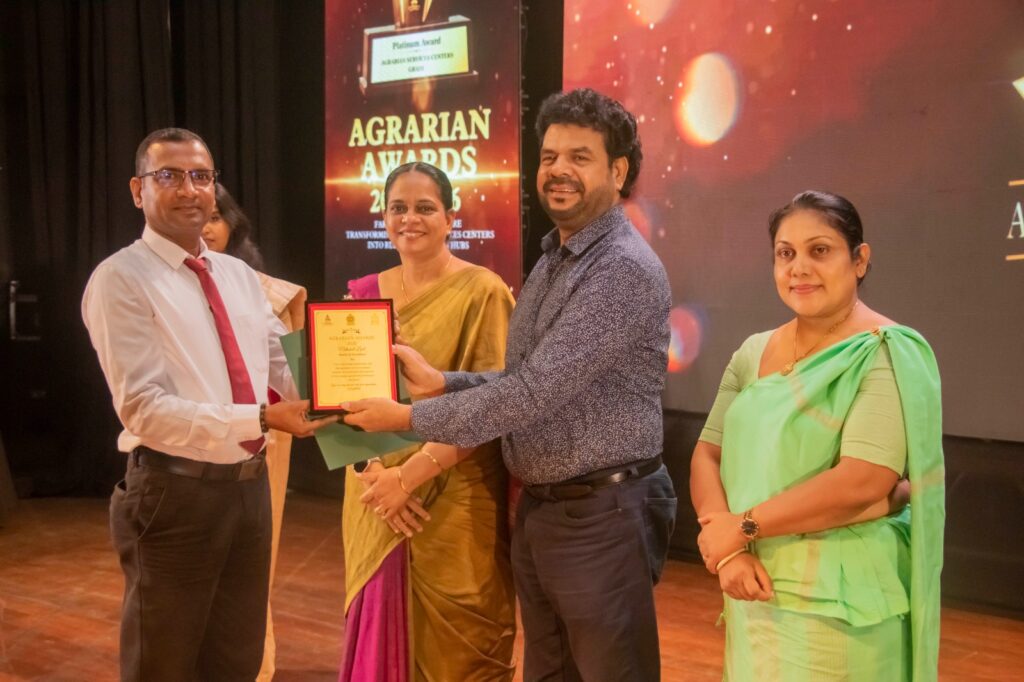
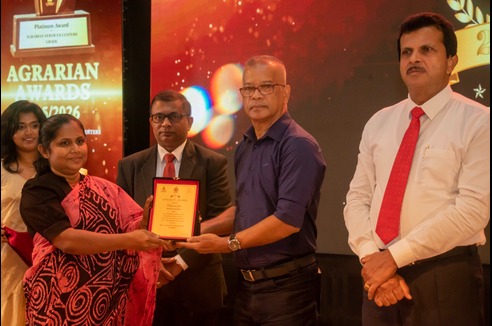
The 566 Agrarian Service Centres operating under the Department of Agrarian Development have been divided into three categories. At this event, the best Agrarian Service Centres under each of these categories were selected and awarded. Accordingly, gold, silver and bronze awards were presented at the national level under each category.
In addition, platinum awards were presented to two centres that had won first place last year and again this year achieved the highest marks in their categories. Furthermore, merit awards were presented to the top 10 highest-scoring centres in each category. In addition, the district offices and Agrarian Service Centres that were recognized at this year’s National Productivity Awards ceremony were also given special recognition at this event.
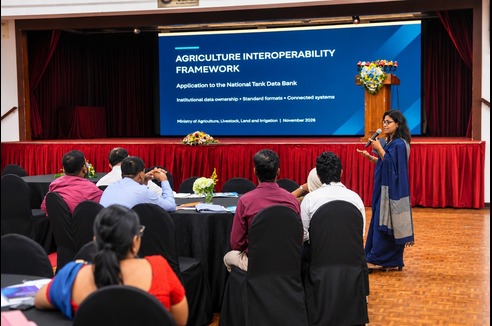
After these awards were presented, the Agrarian Development Officers’ Convention began. A notable aspect of this event is that it marks the first time all Agrarian Development Officers in charge of Agrarian Service Centers across Sri Lanka were brought together in one place for such a convention. No such occasion had existed under any previous government and the officers expressed their views in appreciation.
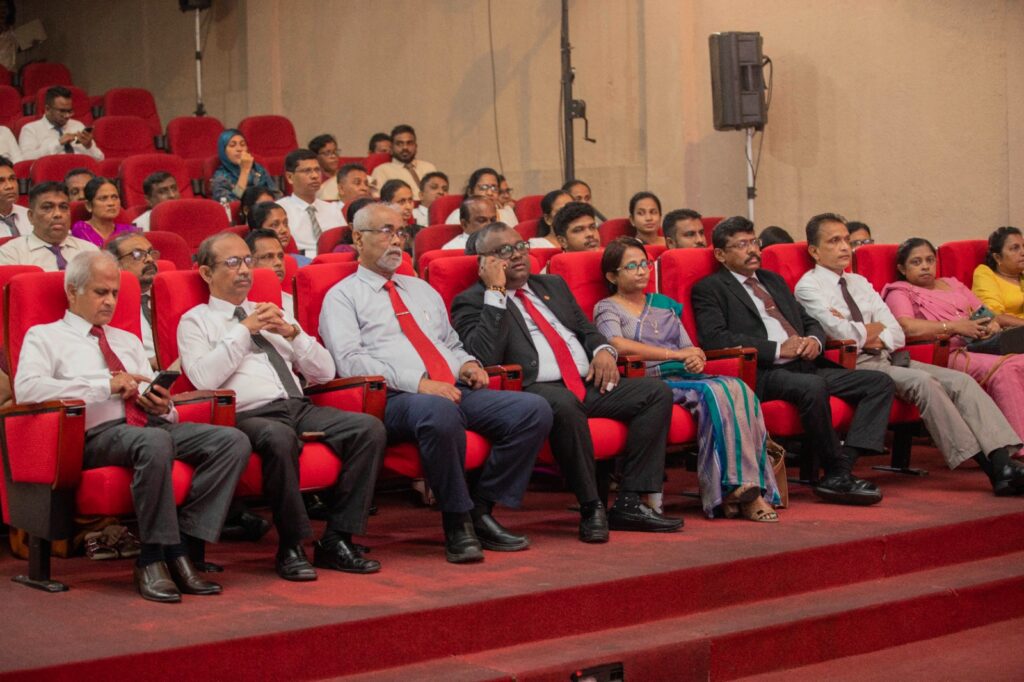
The Agrarian Development Officers in charge of all 566 Agrarian Service Centres across the island, along with the District Deputy/Assistant Commissioners, participated in this event. Namal Karunaratne, Deputy Minister of Agriculture and Livestock, was also present on this occasion.
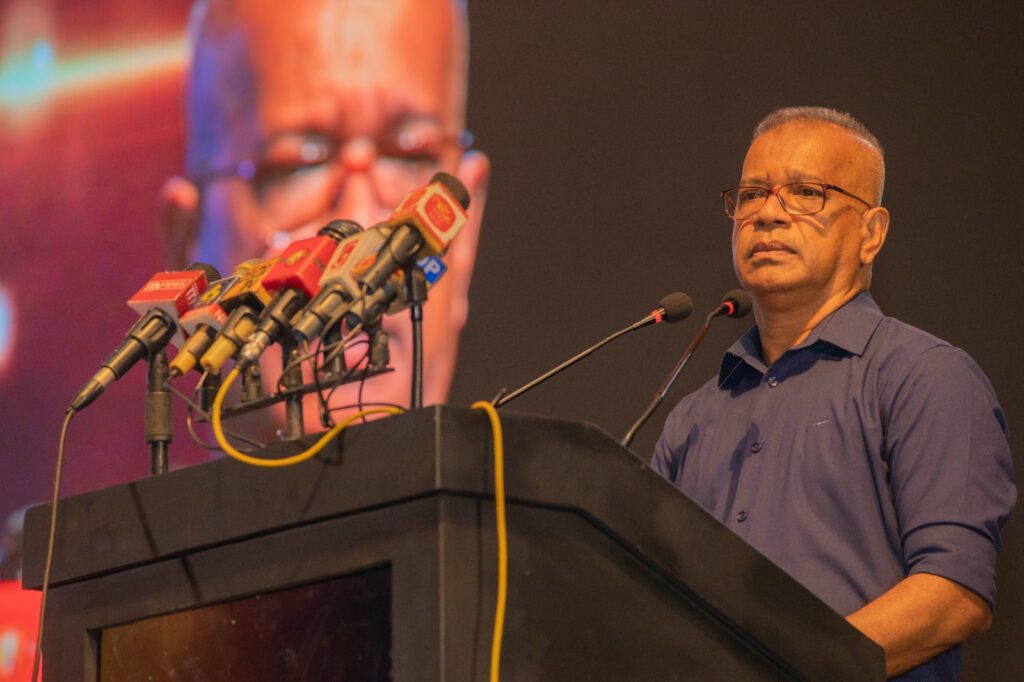
K.D. Lal Kantha, Minister of Agriculture, Livestock, Land and Irrigation, who attended the event, expressed the following views.
“Today we recognized talented people. We also have an idea to take this winning team on an overseas tour and we will do that too. There is a saying we all know: ‘A nation that does not keep creating new things will not rise in the world.’ Even as individuals, if we do not keep creating new things, there is no personal progress. We stagnate in one place. It is the same for our state institutions if they do not create new things. Looking at the Agrarian Service Centres today, all of us saw that new things have been created. You, who lead them, have created something new.
When there is a problem at an institution under our Ministry, I give the phone number of the person who raised the problem to the head of that institution. Then the head of the institution calls that person and the problem can be discussed directly. Then our people will feel that the public service has changed for the better. In that way, a people-centred administration emerges.
With the prevailing war situation, we faced a fertilizer problem. At that point, we spoke with the private sector and obtained the fertilizer stocks they had. We entrusted the distribution of those stocks to the Agrarian Service Centres. The Agrarian Service Centres took on an enormous challenge. All of you, who serve in the Department of Agrarian Development, carried out that task excellently, with great dedication. As a result, we received the public’s praise. You have proven that the Department of Agrarian Development can play a major role in emergencies.
We need to look into whether these Agrarian Service Centres can be used to sell farmers’ products. In particular, there should be a place where those who buy agricultural produce and use it to make other products can obtain their supplies in bulk.
We must work to ensure that every inch of land in every Krupanisa division is used in a way that brings economic benefit. Apart from paddy, we have a problem when it comes to other crops. We should now give priority to cultivating additional crops. As far as irrigation is concerned, it is always only about the extent of paddy fields that will be cultivated through it. We should focus more attention to additional crops. We need to understand the national requirement and cultivate accordingly.
The farmer has been cultivating for thirty, forty years, and the farmer is still poor. If you look at what has been grown, it is paddy. Sri Lanka spends the most money on the irrigation sector. Yet not a single irrigation project in Sri Lanka has been started with additional crops as its target. Based on the North Central Canal Project, we have made plans to implement cultivation of additional crops aimed at foreign markets. That will be the first irrigation project targeting additional crops.
Finger millet needs only about one third of the water that paddy cultivation requires. In terms of income, it yields about three times as much as paddy. If we can get farmers accustomed to this, we can lift them out of hardship. It is the farming community that should receive the greatest benefit from agriculture. We say the farmer is valuable, yet even today the farmer is the one who is poor. So we must change that.”
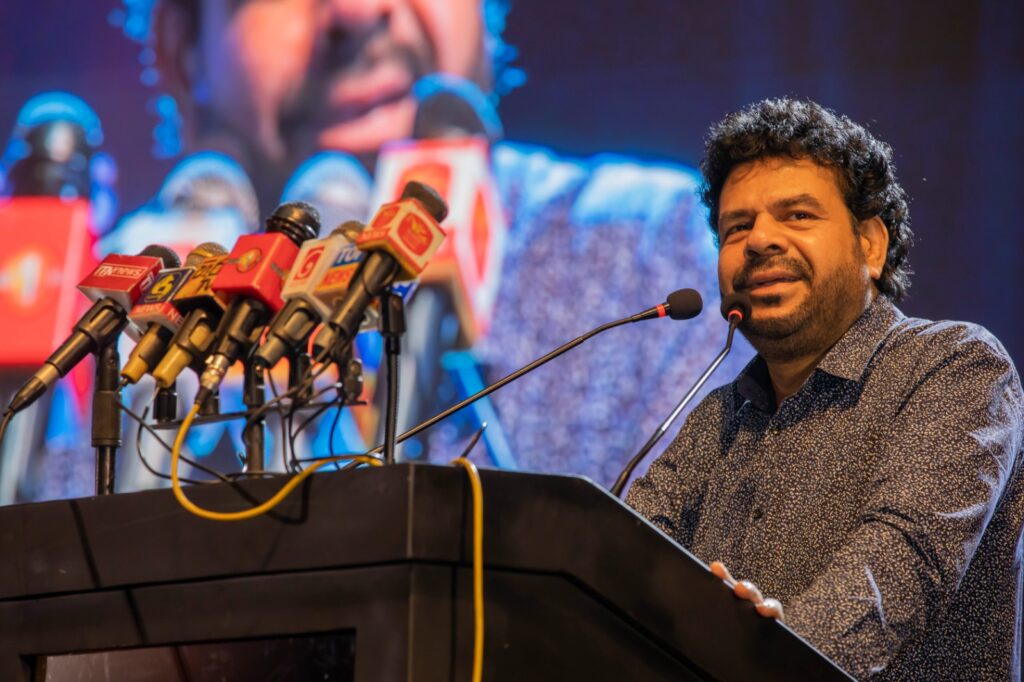
Namal Karunaratne, Deputy Minister of Agriculture and Livestock, who also attended the event, shared his views as well.
“In the past period, state policies that weakened our country’s public service were implemented. Public service salaries were not increased. The necessary facilities were not provided. Setting those policies aside, the present government has acted from the position that the public service needs to be strengthened. Accordingly, we began recruitment. We made appointments permanent. Recently, we granted new appointments to posts in the Department of Agriculture, and we also confirmed appointments. In addition, you will hear some pleasing things in the upcoming budget.
The person leading our Ministry is someone who understands the aspirations of public servants and who knows the farming community. So we have an environment in which we can work creatively without obstruction. Just as you have managed the Agrarian Service Centres in an orderly way, we urge you to resolve to manage the farmlands of the farming communities who come under you and seek your advice.”