Kuda Oya Reservoir under the Uma Oya Lower Valley Development Project Handed Over to the Public: Numerous Benefits for 5,000 Families
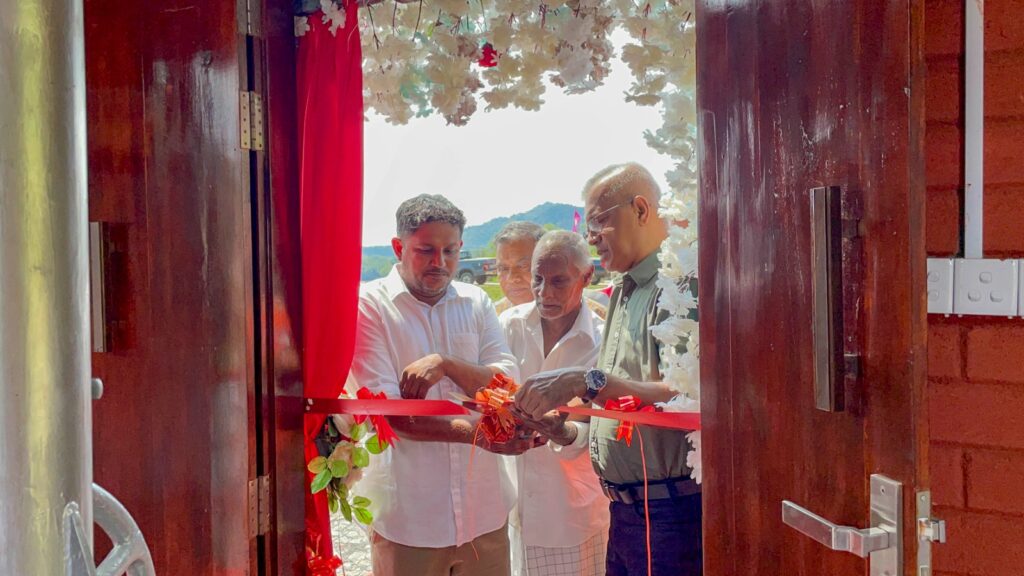
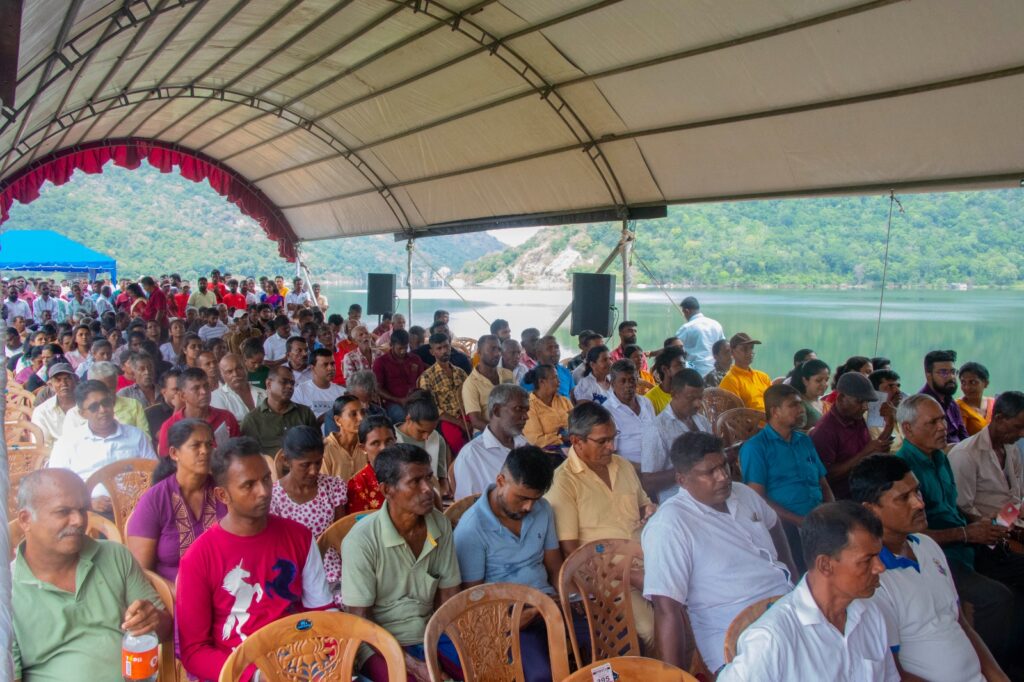
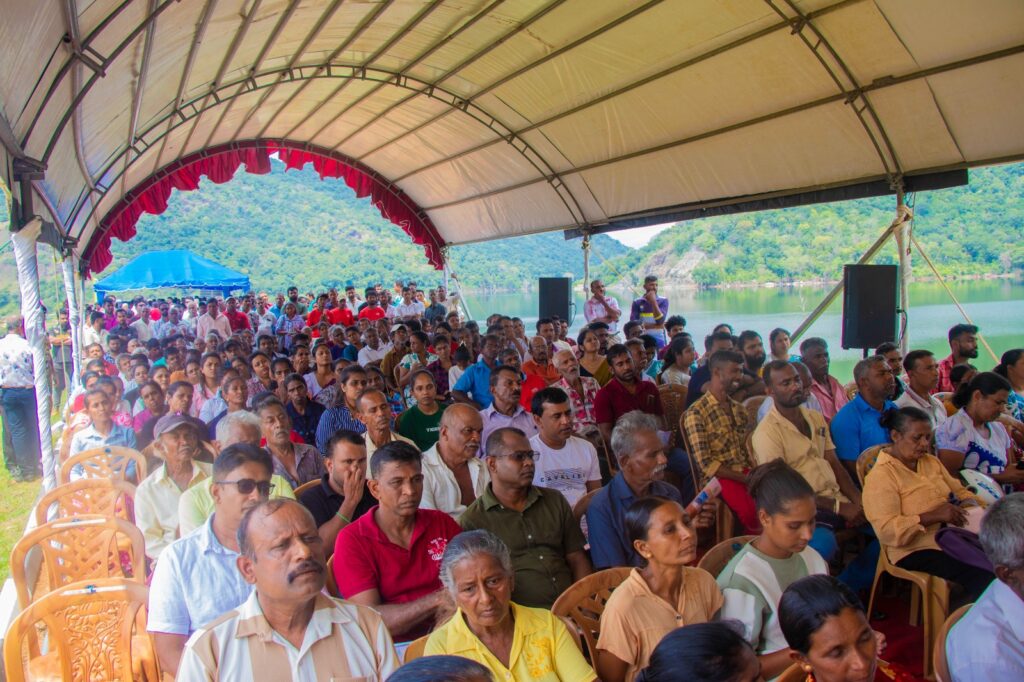
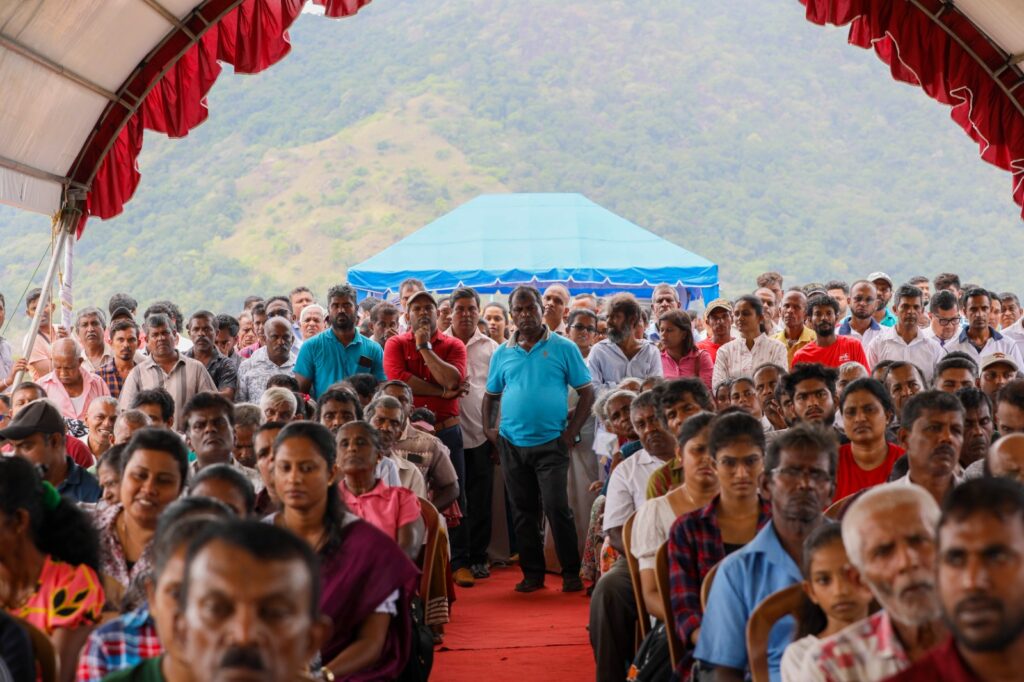
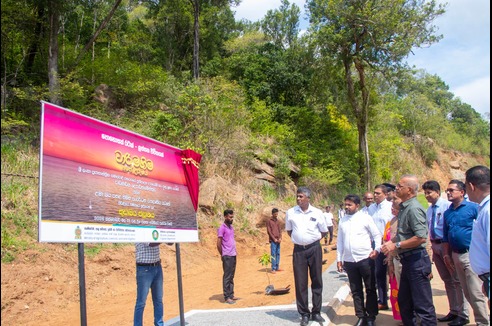
Fulfilling the agricultural and drinking water needs of the Monaragala and Hambantota districts, the ‘Kuda Oya Reservoir’ constructed in the Kirindi Oya valley under the Uma Oya Lower Valley Development Project was officially handed over to the public yesterday (02nd).
This project, which is implemented at an estimated cost of Rs. 22,017 million, will provide direct and indirect benefits to approximately 5,000 beneficiary families in the area.
The main concept of this project is to divert the water released after generating electricity at the power station built under the Uma Oya Multipurpose Development Project into the Kirindi Oya river basin. This water is carried through a large irrigation system linked to the three main reservoirs, Alikota ara, Handapanagala and Kuda Oya, to meet the agricultural and drinking water needs of the Monaragala district.
Irrigation water is supplied to 21,038 acres for both the Yala and Maha seasons through the Handapanagala left and right bank canals, Alikota ara diversion canal route and Kuda Oya Sinhalayagama diversion canal route. Approximately 10 million cubic meters of water per year has been allocated for the drinking water needs of the public. Feeder canal systems are being constructed and improved in the Wellawaya and Thanamalwila areas and 58 rural tanks and their related irrigation systems are being rehabilitated.
Water security will be ensured for industrial and agricultural activities in the Hambantota district and steps have also been taken to promote the freshwater fishing industry by establishing fisheries societies at the main reservoirs.
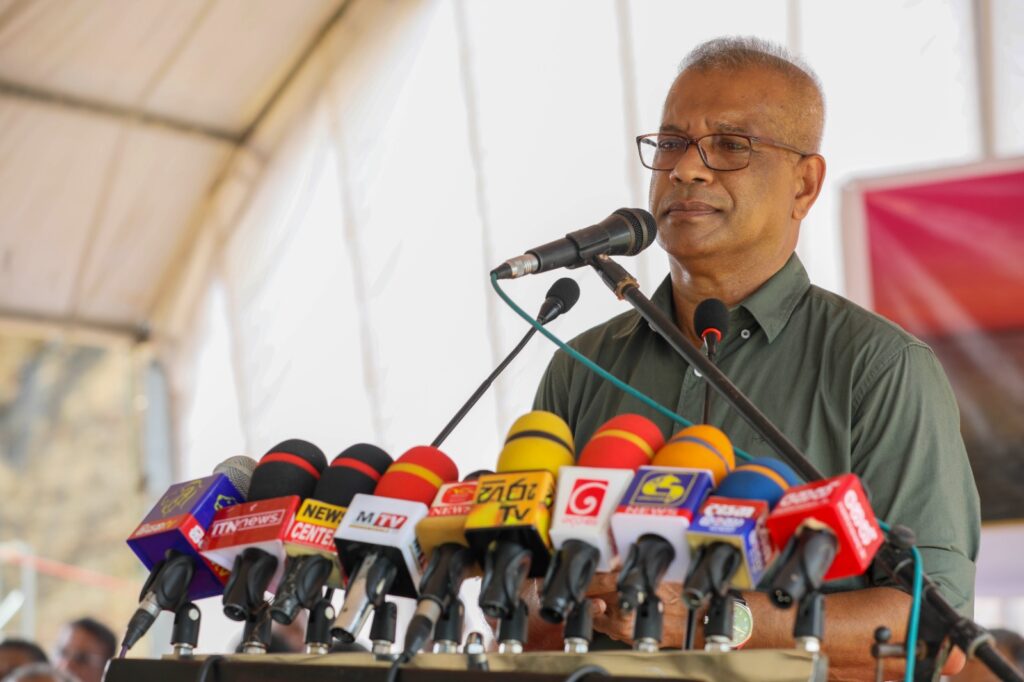
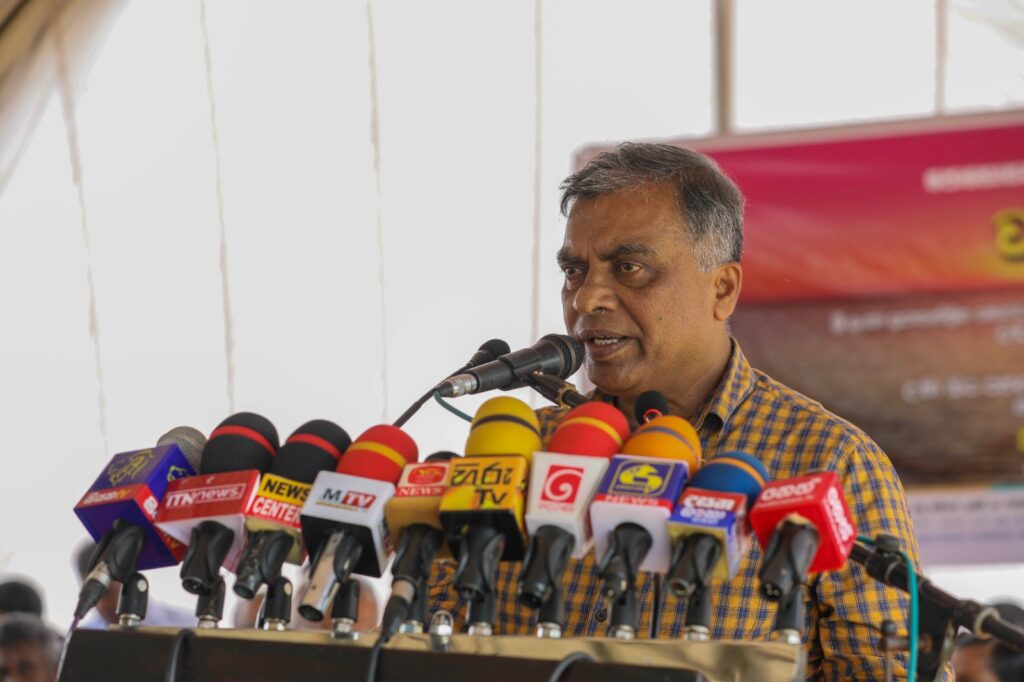
Joining the ceremony to hand over the Kuda Oya Reservoir to the public, the Minister stated that there is currently no rice shortage in the country and that a surplus of rice exists. He stressed that this situation must be managed properly and that the country should move toward a national cultivation plan.
Joining the occasion, the Minister expressed his views.
“We have no rice shortage at present. We have a surplus. Proper management is needed to keep it neither reduced nor increased. We must decide what should be cultivated nationally and go toward a national plan with cultivation controlled by the Ministry.”
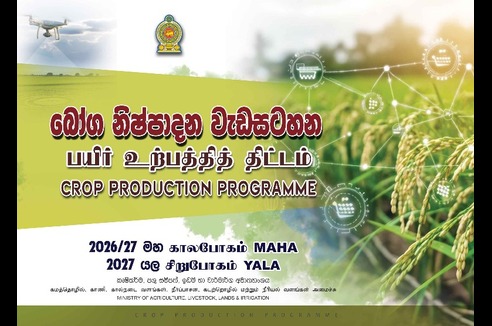
“The chicken meat and egg industry in Sri Lanka has now become a huge industry. Maize cultivation is very important as animal feed for it. Only half of the maize we need is produced within the country. If maize is grown in paddy fields, imports can be stopped. Growing maize is commercially more profitable than paddy cultivation.”
“As soon as we came to power, we gave a fertilizer subsidy of Rs. 15,000 per hectare if additional crops were grown on paddy lands. Discussions are currently under way on extending the subsidy given for paddy cultivation to the cultivation of additional crops as well.”
“There is no need to bring new land under paddy cultivation. We must increase the yield on the land we already have. Harvesting 60 bushels of paddy per acre is not enough; we should get at least 120 bushels. For that purpose, the recommendations of the Department of Agriculture should be followed. To make farming profitable, yields must be increased and consumers should also be given the opportunity to obtain rice at a fair price.”
Political authorities and officials joined the occasion.